


In this article
Key takeaways
- Mild dehydration usually improves within an hour or so of drinking
- Moderate dehydration can take a day or more to correct
- Sip fluids steadily rather than gulping them
- Add electrolytes or an oral rehydration solution when you've lost a lot
- Severe dehydration is a medical emergency
Whether you've been ill, had a big night out, sweated through a long workout or simply forgotten to drink, you'll want to feel normal again as quickly as possible. So how long does it take to rehydrate, and what's the fastest way to do it?
The short answer: mild dehydration usually improves within an hour or so of drinking, and you'll often feel better within a few hours. Moderate dehydration can take a day or more to fully correct. Severe dehydration needs urgent medical treatment. The fastest way to rehydrate is to sip fluids steadily, ideally with electrolytes if you've lost a lot through sweat, sickness or diarrhoea.
How long does it take to rehydrate?
| How dehydrated you are | Typical recovery | What to do |
|---|---|---|
| Mild (thirsty, dark pee, tired) | Often feel better within an hour or so, fully rehydrated within a few hours | Sip water or other drinks steadily |
| Moderate (very dark pee, dizziness, headache, peeing much less) | Can take a day or more | Sip fluids regularly, add electrolytes or an oral rehydration solution, rest |
| Severe (confusion, fast heartbeat, fainting, not peeing for 8 hours or more) | Needs medical treatment | Call 999 or go to A&E |
Your body starts absorbing water within minutes of drinking it, but it takes longer to restore fluid inside your cells and replace lost salts. These are rough guides. Recovery depends on how much fluid you've lost, why, and your age and health.
How to rehydrate fast
- Sip, don't gulp. Drinking steadily helps your body absorb fluid and is easier on your stomach than downing a lot at once. If you feel sick, start with small sips and build up.
- Add electrolytes if you've lost a lot. After heavy sweating, sickness or diarrhoea, drinks with sodium and potassium help your body hold on to fluid.
- Use an oral rehydration solution if you're ill. The NHS recommends them from a pharmacy if you're being sick or have diarrhoea.
- Eat something when you can. Food contains water and salts, and water-rich foods like soup, melon and cucumber help.
- Rest somewhere cool. This reduces how much fluid you lose through sweat.
- Avoid alcohol and strong caffeinated drinks until you feel better. The NHS advises against them while you're treating dehydration.
What is the best drink to rehydrate?
Water is enough for mild dehydration. When you've lost more fluid and salts, drinks with electrolytes work better. In a 2016 study comparing everyday drinks, oral rehydration solutions and milk stayed in the body longer than water, while tea, coffee, sparkling water and sports drinks hydrated about as well as water. Read more in do tea and coffee dehydrate you?
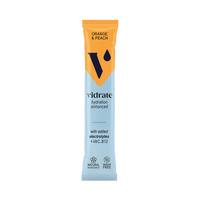
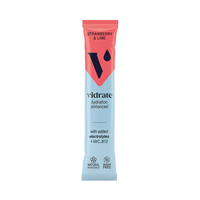
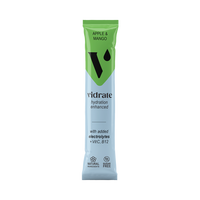
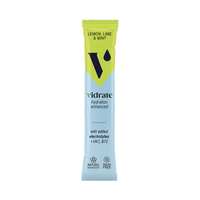
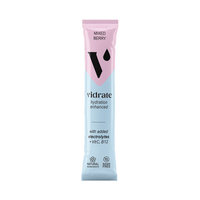
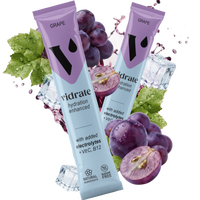
For everyday top-ups, Vidrate Watermelon & Raspberry is a zero-sugar hydration sachet with sodium, potassium and chloride plus vitamins C and B12. Vitamin B12 contributes to the reduction of tiredness and fatigue. If you're unwell with sickness or diarrhoea, use an oral rehydration solution from a pharmacy instead, as it's specially balanced for illness.
How long after drinking water does it hydrate you?
Water starts to be absorbed from your stomach and small intestine within minutes, and most of a glass is absorbed within about an hour or two. You may notice your thirst ease and your pee get lighter within that time.
How to rehydrate after exercise
Weigh yourself before and after a long session if you can. Sports scientists suggest drinking about one and a half times the weight you've lost over the next few hours, because you keep peeing some of it out. Include electrolytes after long or very sweaty sessions. Read more about what happens when we sweat.
How to rehydrate after drinking alcohol
Start with a big glass of water, keep sipping through the morning, add electrolytes if you were sick, and eat when you can. Read does alcohol dehydrate you?
How to rehydrate a child
Babies and young children can become dehydrated quickly, especially with sickness or diarrhoea. The NHS advises:
- keep breastfeeding or giving formula, in small amounts more often
- give older babies and children small, regular sips of water
- use an oral rehydration solution from a pharmacy if they're being sick or have diarrhoea
- avoid fruit juice and fizzy drinks, which can make diarrhoea or sickness worse
- don't dilute formula
Call NHS 111 for advice if your child is under 5 and you're worried, or if they're unusually sleepy, have fewer wet nappies or are peeing less.
Signs of dehydration
- Feeling thirsty
- Dark yellow, strong-smelling pee
- Peeing less often than usual
- Feeling dizzy or light-headed
- Feeling tired
- A dry mouth, lips and eyes
Thirst isn't always a reliable signal, especially as you get older. Read why am I never thirsty?
Signs of severe dehydration
Severe dehydration is a medical emergency. Call 999 or go to A&E if you or someone else:
- is confused or disorientated
- has a fast heartbeat or fast breathing
- faints or can't stay awake
- hasn't peed for 8 hours or more
- has cold, blotchy skin
- can't keep any fluids down
Babies, young children and older adults can become dehydrated more quickly. Ask a pharmacist or call NHS 111 if you're worried.
Frequently asked questions
What is the fastest way to rehydrate your body?
Sip fluids steadily rather than gulping them, and add electrolytes or an oral rehydration solution if you've lost a lot through sweat, sickness or diarrhoea.
How much water should I drink to rehydrate?
For mild dehydration, sip a glass or two of water and keep drinking regularly until your pee is pale yellow. After exercise, aim for about one and a half times the weight you lost in sweat.
Can you rehydrate in 30 minutes?
You'll start to absorb fluid within minutes and may feel a little better, but fully rehydrating usually takes a few hours for mild dehydration.
Is milk good for rehydration?
Yes. In a 2016 study, milk stayed in the body longer than water, probably because of its electrolytes, protein and natural sugars.
When should I see a doctor about dehydration?
Speak to a pharmacist or call NHS 111 if symptoms don't improve with drinking, and get urgent help for signs of severe dehydration such as confusion or not peeing for 8 hours.
The bottom line
Mild dehydration usually improves within an hour or so and is fully corrected within a few hours. Moderate dehydration can take a day or more, and severe dehydration needs urgent medical care. Sip fluids steadily, add electrolytes when you've lost a lot, use an oral rehydration solution when you're ill, and rest.
Sources: NHS, Dehydration. Maughan RJ et al. (2016), A randomized trial to assess the potential of different beverages to affect hydration status, American Journal of Clinical Nutrition. Shirreffs SM and Maughan RJ (1998), Volume repletion after exercise-induced volume depletion in humans, American Journal of Physiology.






Join the conversation
0 commentsGot a tip that works for you? Share it below.