


In this article
Key takeaways
- Mix 500ml water, a small pinch of salt, 100ml orange juice and a squeeze of lemon or lime
- Salt adds sodium and chloride, and the juice adds potassium
- Keep the salt small and drink it within 24 hours
- Use pharmacy oral rehydration sachets for diarrhoea and vomiting, not a homemade drink
- Sachets are easier on the go and give the same amount every time
You don't need to buy a special product to make an electrolyte drink. A pinch of salt, some fruit juice and water will do a similar job, and it costs pennies. Here's how to make one at home, how it compares with a shop-bought sachet, and the mistakes to avoid.
The short answer: to make electrolyte water at home, mix 500ml of water with a small pinch of salt (about an eighth of a teaspoon), 100ml of orange juice and a squeeze of lemon or lime. The salt adds sodium and chloride, and the juice adds potassium and a little natural sugar.
What makes water an electrolyte drink?
Electrolytes are minerals that dissolve in water and carry an electrical charge. The main ones you lose in sweat are sodium and chloride (the two parts of table salt), with smaller amounts of potassium, magnesium and calcium. An electrolyte drink simply adds some of these back. For more, read what are electrolytes and what do they do?
How to make electrolyte water at home
Ingredients (makes 600ml)
- 500ml water, still or sparkling
- A small pinch of salt, about an eighth of a teaspoon
- 100ml orange juice
- A squeeze of lemon or lime juice
- Optional: 1 teaspoon of honey, if you're having it during long exercise
Method
- Add the salt to a little warm water and stir until it dissolves.
- Pour it into a bottle or jug with the rest of the water, the orange juice and the lemon or lime.
- Stir or shake well, then taste. It should taste only slightly salty. If it tastes like seawater, add more water.
- Chill and drink within 24 hours. Keep it in the fridge.
Homemade electrolyte drink variations
- Coconut water mix. Use half coconut water and half water with a pinch of salt. Coconut water is naturally high in potassium but low in sodium. Read our guide to coconut water.
- Citrus and mint. Swap the orange juice for the juice of a whole lemon and a few mint leaves, with a teaspoon of honey to balance the sourness.
- Watermelon. Blend a few chunks of watermelon and strain into water with a pinch of salt.
Can you just add salt to water for electrolytes?
Yes. Salt gives you sodium and chloride, the two electrolytes you lose most in sweat, so a pinch of salt in water is the simplest electrolyte drink there is. It won't taste great on its own, which is why most recipes add citrus or juice. Adding juice also gives you some potassium.
The key is a small amount. A quarter of a teaspoon of salt is roughly 1.5g, a quarter of the 6g a day the NHS says adults shouldn't go over. Too much salt can upset your stomach and make you thirstier, not less.
Homemade vs shop-bought electrolytes
| Homemade | Sachets and tablets | |
|---|---|---|
| Cost | Very cheap | More expensive per serving |
| Convenience | Needs mixing and the fridge | Easy to carry and mix anywhere |
| Consistency | Varies each time | The same amount in every serving |
| Sugar | Some, from the juice or honey | Varies: some are sugar free |
| Vitamins | A little vitamin C from fruit | Many contain added vitamins |
| Keeps | Around 24 hours in the fridge | Months, until you mix it |
Homemade is a good option at home or for the odd hot day. Sachets are easier to take to the gym, work or on holiday, and you know exactly what's in each one.
Mistakes to avoid
- Adding too much salt. More isn't better. Stick to a small pinch per 500ml.
- Using lots of juice or sugar. A full glass of juice or several spoons of honey turns it into a sugary drink. Keep the juice to a splash unless you're fuelling long exercise.
- Making a big batch. Fresh juice can spoil, so make what you'll drink in a day.
- Using it to treat illness. If you or your child has diarrhoea or vomiting, the NHS recommends oral rehydration sachets from a pharmacy, which contain carefully measured amounts of salt and sugar. Don't use a homemade drink instead, especially for babies and young children.
Who should check before making electrolyte drinks?
If you've been told to cut down on salt, or you have high blood pressure, kidney disease or heart problems, check with your GP before adding salt to your drinks.
When do you actually need electrolytes?
Most people don't need an electrolyte drink every day, as food provides plenty. They're most useful after long or sweaty exercise, on hot days and after drinking alcohol. Read when should you take electrolytes? for the full guide.
A ready-made option
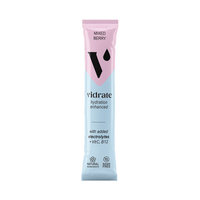
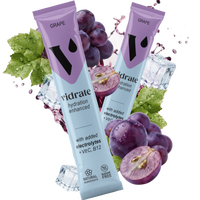
If you'd rather not measure salt and squeeze lemons, Vidrate Watermelon & Raspberry is a zero-sugar electrolyte drink in a sachet. Each one has sodium, potassium and chloride plus vitamins C and B12, sweetened with stevia. Vitamin C contributes to the normal function of the immune system.
Frequently asked questions
How can I make my water have electrolytes?
Add a small pinch of salt and a splash of fruit juice, or use an electrolyte sachet or tablet.
Does lemon water have electrolytes?
A little. Lemon juice contains some potassium, but not much sodium. Add a pinch of salt to make it a proper electrolyte drink.
Can I use sea salt or pink Himalayan salt?
Yes, but they're mostly sodium chloride, just like table salt. The extra minerals they contain are in tiny amounts, so there's no real benefit over ordinary salt.
Why shouldn't you drink electrolytes every day?
You can, as long as it's a gentle drink and you're not adding too much salt. The main risk is having a lot of extra sodium when you're not sweating much. Read when should you take electrolytes? for more.
The bottom line
A homemade electrolyte drink is easy: 500ml of water, a small pinch of salt, a splash of orange juice and a squeeze of citrus. Keep the salt small, drink it within a day, and use pharmacy rehydration sachets for illness. For convenience on the go, a zero-sugar sachet does the same job without the measuring.
Sources: NHS, Salt: the facts. NHS, Dehydration. NHS, Diarrhoea and vomiting.

Written by
Nick Hird






Join the conversation
0 commentsGot a tip that works for you? Share it below.