


In this article
Key takeaways
- Milk is one of the most hydrating drinks, with sodium, potassium and calcium
- Coconut water is high in potassium but low in sodium
- Many sports drinks are high in sugar, unless you choose a zero-sugar version
- Tap water has small amounts of calcium and magnesium, more in hard water areas
- Use oral rehydration sachets from a pharmacy when you're ill
When you think of drinks with electrolytes, sports drinks and sachets probably come to mind first. But plenty of everyday drinks contain them too, including milk, coconut water and even some tap water. Here's what's in each, and which are best for different situations.
The short answer: drinks with electrolytes include milk, coconut water, fruit juice, sports drinks, electrolyte sachets and tablets, oral rehydration solutions and, in small amounts, tap and mineral water. Milk and oral rehydration solutions are among the best for rehydrating, while sachets and tablets are the easiest low-sugar option.
Which drinks have electrolytes?
| Drink | Main electrolytes | Good to know |
|---|---|---|
| Milk | Sodium, potassium, calcium | Also has protein and natural sugar. Very hydrating |
| Coconut water | Potassium | Low in sodium, the main electrolyte lost in sweat |
| Orange juice | Potassium | High in sugar, so keep to a small glass |
| Sports drinks | Sodium, potassium | Often high in sugar, unless you pick a zero-sugar version |
| Electrolyte sachets and tablets | Sodium, potassium, chloride | Strength varies a lot. Many are sugar free |
| Oral rehydration solution | Sodium, potassium, chloride | Made for illness, with a measured amount of sugar and salt |
| Mineral water | Calcium, magnesium, sodium | Amounts vary by brand. Check the label |
| Tap water | Calcium, magnesium | Small amounts, higher in hard water areas |
Milk
Milk is one of the most underrated hydration drinks. It naturally contains sodium, potassium and calcium, plus protein and a little natural sugar, which help your body hold on to the fluid. In a study that compared how well different drinks kept people hydrated, milk and oral rehydration solution came out ahead of water. Lower-fat milk is a good choice after exercise if you're not lactose intolerant.
Coconut water
Coconut water is naturally high in potassium, but it has much less sodium than you lose in sweat, so on its own it isn't a complete electrolyte drink. It's a tasty option for everyday hydration. Read our guide to coconut water to see how it compares with an electrolyte sachet.
Fruit juice
Orange juice and other fruit juices contain potassium, but they're high in natural sugar. The NHS advises no more than 150ml of fruit juice or smoothie a day. A splash of juice can be used in a homemade electrolyte drink.
Sports drinks
Sports drinks are designed to replace fluid, electrolytes and energy during exercise. That usually means a lot of sugar, which can be useful during long endurance events but isn't needed for everyday hydration or a short gym session. Many brands now make zero-sugar versions. For an example, read does Lucozade have electrolytes?
Electrolyte sachets and tablets
Sachets and tablets are added to water and are easy to carry. Their strength varies a lot: some are made for long, sweaty training and contain a lot of sodium, while others are gentle enough to have every day. Check the label for the amount of sodium and sugar per serving.
Oral rehydration solutions
Oral rehydration solutions, which you can buy from pharmacies, are designed to treat dehydration from diarrhoea and vomiting. They contain a carefully measured balance of salt and sugar that helps your body absorb fluid quickly. The NHS recommends them if you're at risk of dehydration when you're ill.
Does tap water have electrolytes?
Yes, but only small amounts. UK tap water naturally contains some calcium and magnesium, and hard water areas such as London and the South East have more than soft water areas such as Scotland and parts of the North. Tap water also has a little sodium. It's not enough to replace what you lose through heavy sweating, but it's still the best everyday drink for most people.
Does Smartwater have electrolytes?
Smartwater has small amounts of electrolytes added, mainly for taste. According to its ingredients list, these include calcium chloride, magnesium chloride and potassium bicarbonate. The amounts are low, so it hydrates you much like ordinary water rather than working as a proper electrolyte drink.
What drink gives the most electrolytes?
Oral rehydration solutions and high-strength sports electrolytes contain the most sodium per serving. For everyday hydration, you don't need that much. Milk, a gentle electrolyte sachet or simply water with food will cover most people's needs.
Which drink is best?
- Everyday hydration: water, or a gentle zero-sugar electrolyte drink if you find water hard to drink.
- After a gym session: water or milk, or an electrolyte drink if you sweated a lot.
- Long or hot exercise: an electrolyte drink with sodium, plus some carbohydrate if you're going for hours.
- Diarrhoea and vomiting: oral rehydration sachets from a pharmacy.
- After a night out: water or an electrolyte drink before bed and in the morning.
Not sure when electrolytes help? Read when should you take electrolytes?
A zero-sugar electrolyte drink
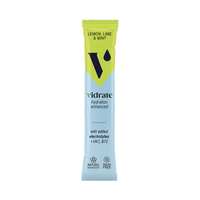
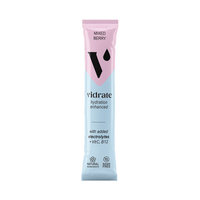
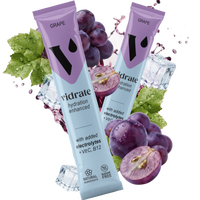
Vidrate Lemon, Lime & Mint is an everyday electrolyte drink you mix with water. Each sachet has sodium, potassium and chloride plus vitamins C and B12, with zero sugar and stevia instead of artificial sweeteners. Vitamin B12 contributes to the reduction of tiredness and fatigue.
Frequently asked questions
What UK drinks have electrolytes?
Milk, coconut water, sports drinks such as Lucozade Sport and Powerade, electrolyte sachets and tablets, and oral rehydration sachets like Dioralyte all contain electrolytes.
What is the quickest way to get electrolytes?
A drink with sodium, such as an electrolyte sachet, sports drink or oral rehydration solution, is quickest. Salty food with a glass of water works too.
Does sparkling water have electrolytes?
Some sparkling mineral waters contain small amounts of calcium, magnesium and sodium. Plain carbonated tap water has about the same as tap water.
Do energy drinks have electrolytes?
Some contain small amounts of sodium, but they're not designed for hydration and many are high in sugar and caffeine.
The bottom line
Lots of drinks contain electrolytes, from milk and coconut water to sports drinks, sachets and tap water. For everyday hydration, water is still the best choice, with milk or a gentle zero-sugar electrolyte drink as good options. Save sugary sports drinks for long exercise, and use pharmacy rehydration sachets when you're ill.
Sources: NHS, Water, drinks and your health. NHS, Dehydration. Maughan R.J. et al. (2016) A randomized trial to assess the potential of different beverages to affect hydration status: development of a beverage hydration index, American Journal of Clinical Nutrition. Drinking Water Inspectorate, Hardness of water.

Written by
Nick Hird






Join the conversation
0 commentsGot a tip that works for you? Share it below.