


By Nick Hird
Does Flying Dehydrate You? How to Stay Hydrated on a Plane
It’s easy to step off a long flight with a dry throat, tired eyes and a dull headache, and you’ll have barely moved for ten hours. But what is it about air travel that makes us feel like this?
A lot of it comes down to hydration. The air on a plane is unusually dry, and a flight also tends to mean salty food, too little water and a glass or two of wine. Together, these can leave you feeling far worse than the journey deserves.
The good news is that a few simple steps make a real difference. Here's why flying affects your fluid levels, and what to do about it before, during and after your flight.
Why does flying dehydrate you?
The air in the cabin is very dry
At cruising altitude, the air outside the plane holds almost no moisture. The air brought into the cabin comes from outside, so cabin humidity on a long flight usually sits somewhere between 10% and 20%. Your home is normally around 30% to 50%.
The dry air means that you lose more water through your skin and with every breath you take. You don't sweat or feel it happening, so you're unlikely to notice until your lips, eyes and throat start to feel it.
You're at a higher altitude than you think
Cabins are pressurised, but not to sea level. Most planes are set to feel like somewhere between 6,000 and 8,000 feet, roughly the height of a mountain ski resort. There's less oxygen available at that pressure, and most people won't notice it directly. It can mean that tiredness, headaches and the effects of alcohol feel stronger than usual.
Plane food is saltier than you'd expect
Dry air and cabin pressure dull your sense of taste, particularly for salt and sweetness. Airlines make up for it by adding extra seasoning to in-flight meals and provide tasty, salty snacks like crisps and pretzels. Increased salt makes you thirsty, and if you're not drinking enough fluid to match it, you'll start to feel it.
It's easy to drink less than you mean to
Many of us drink less on purpose to avoid disturbing a sleeping neighbour to reach the loo. Add an early start, a busy airport and a sleep onboard, and you can go hours without a proper drink.
Alcohol can make it worse
Alcohol suppresses the hormone that tells your kidneys to hold on to water, so you lose more fluid than you take in. Research has also found that drinking alcohol and then sleeping at cabin pressure lowers blood oxygen levels more than doing either on its own. The free drinks trolley is tempting, but it doesn't help, unfortunately.
So does flying really dehydrate you?
It's fair to say that flying makes dehydration more likely, rather than guaranteeing it. On a short hop you probably won't notice much. On a long-haul flight, the combination of dry air, time in the air, salty food and too few drinks adds up.
Even mild dehydration can affect how you feel. It's linked to tiredness, headaches, poor concentration and low mood, which is exactly how many of us feel after a long flight. It's also a big part of why jet lag can feel so much worse than tiredness alone. There's more on that in our guide to how to beat jet lag.
Signs you're getting dehydrated on a flight
Watch out for:
-
Feeling thirsty (by the time you notice, you're already a little behind)
-
A dry mouth, lips or throat
-
Dry, gritty or tired eyes
-
A headache
-
Feeling unusually tired or foggy
-
Darker urine, or not needing the loo for several hours
Swollen ankles and a bloated stomach are common on flights too. These are mostly caused by sitting still and by gas expanding at lower cabin pressure but staying hydrated and moving around regularly will help with both.
How to stay hydrated on a plane
The day before you fly
Start hydrated rather than trying to catch up in the air. Drink steadily through the day, and go easy on alcohol the night before, especially before an early flight. A quick check: if your pee is a pale straw colour, it means you're well hydrated. Good job!
At the airport
Bring an empty reusable bottle through security and fill it after security. Having water to hand means you're not relying on the drinks trolley. Drink a glass or two before boarding, and if you've got a long flight ahead, this is a good time for an electrolyte drink.
On board
-
Sip little and often. A steady glass every hour or so you're awake works better than downing a whole bottle at once, which mostly just puts you in the queue for the loo.
-
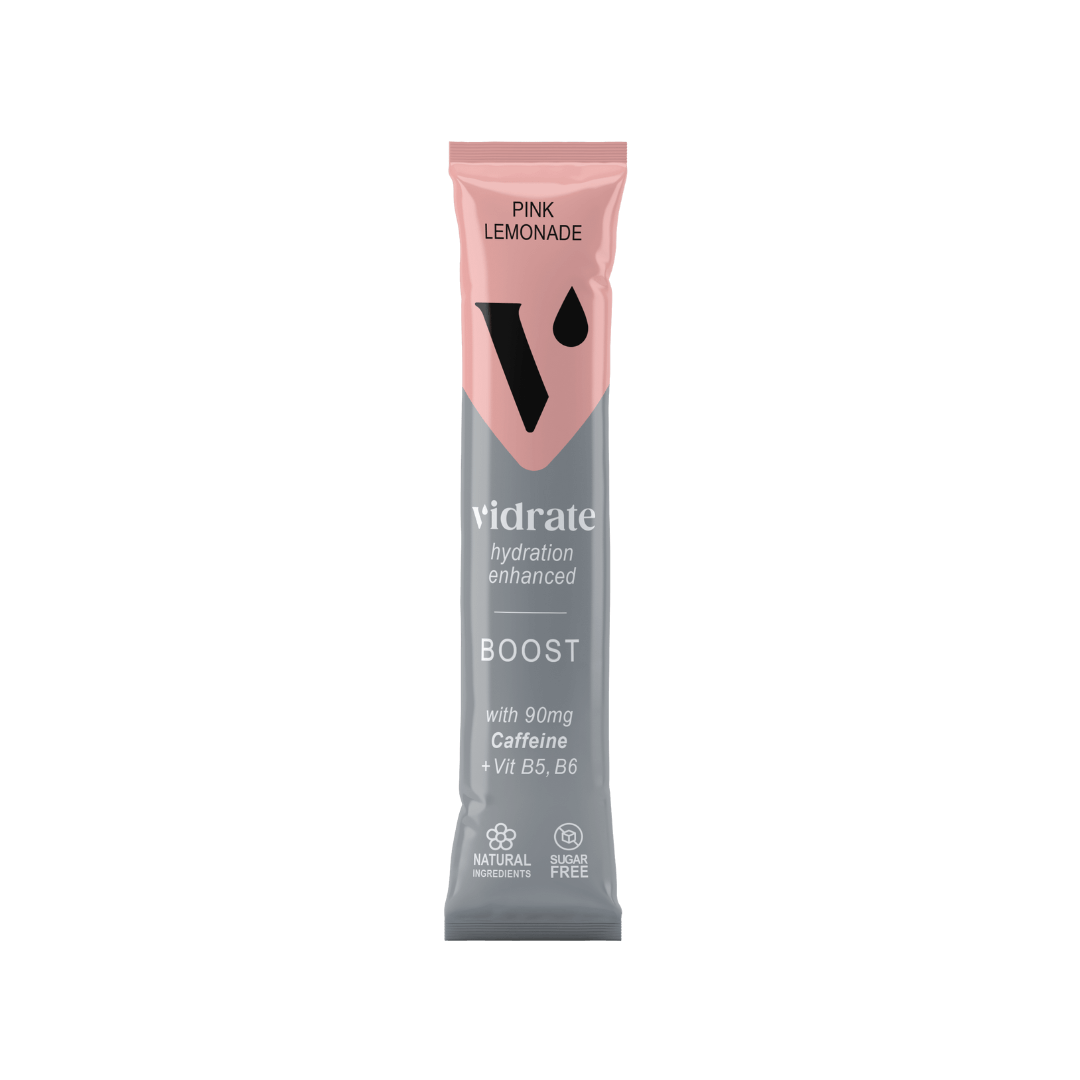
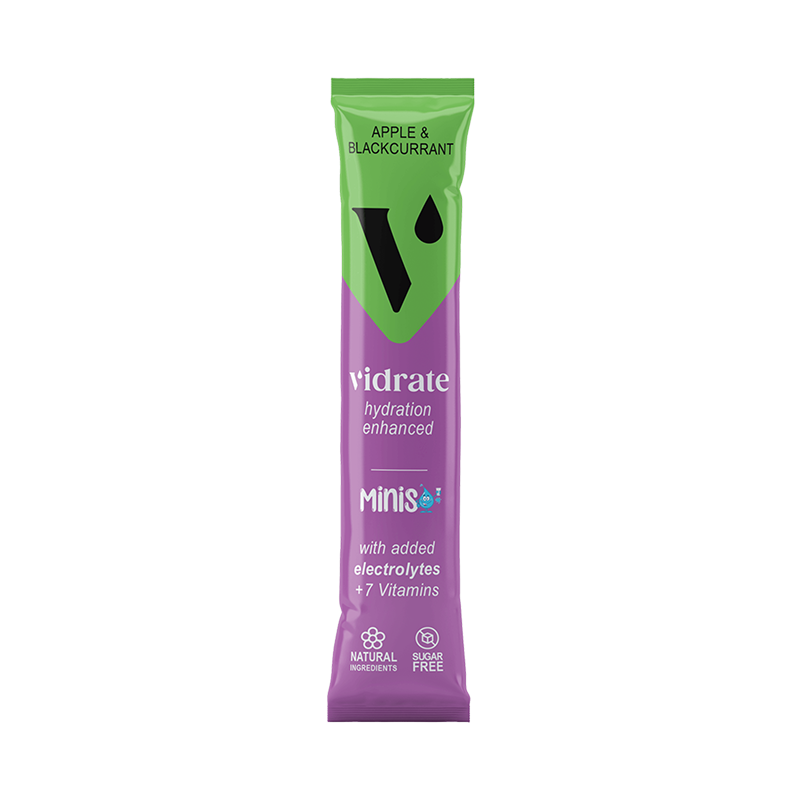
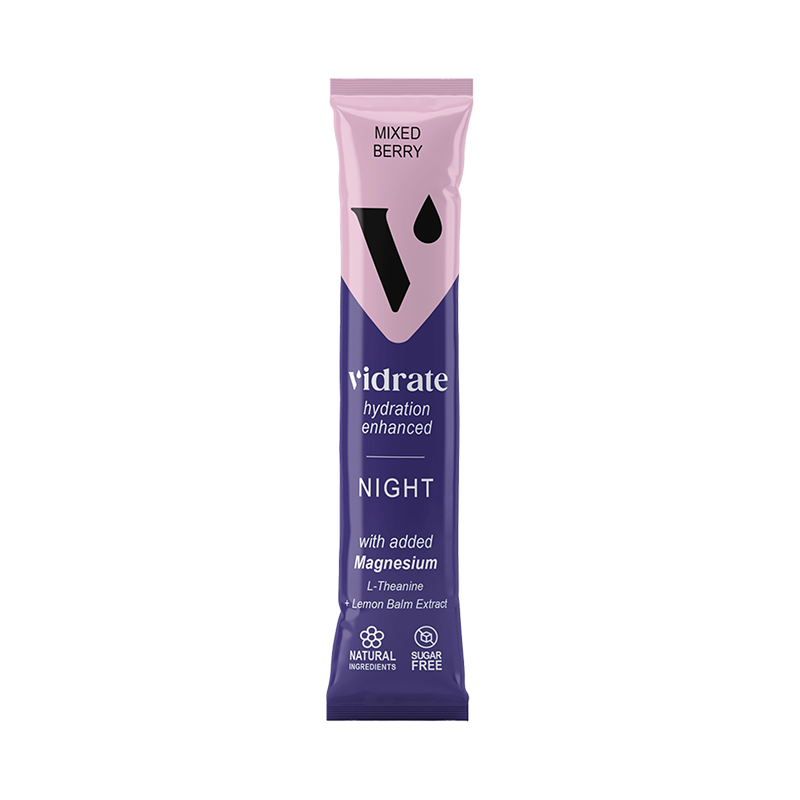
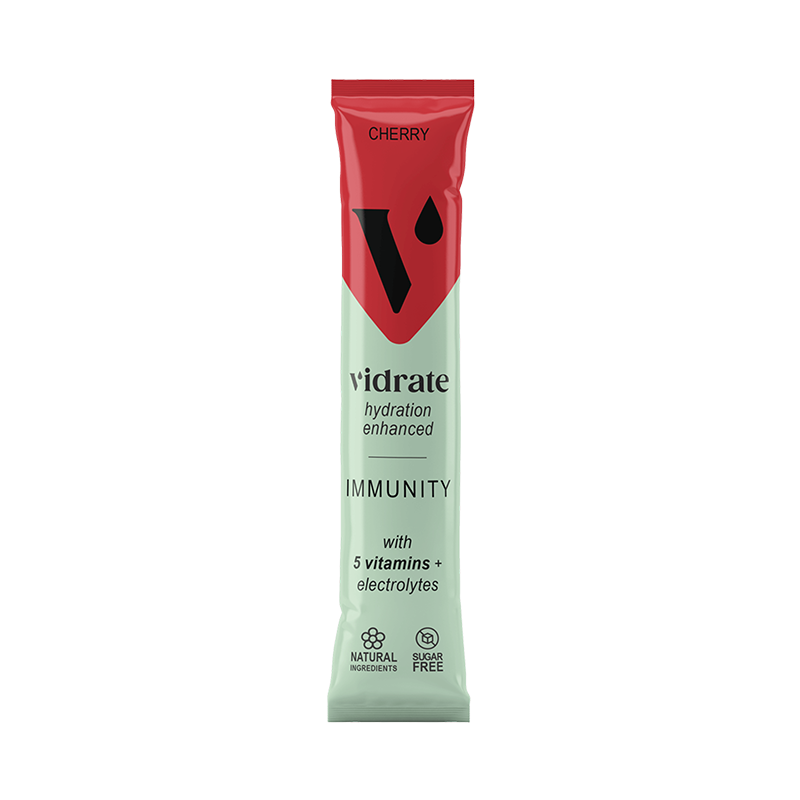
Add electrolytes. Plain water is great, but on its own a lot of it passes straight through. Electrolytes, especially sodium, help your body absorb and hold on to fluid. A zero-sugar electrolyte drink, like Vidrate, is an easy way to get more from every sip.
-
Keep booze to a minimum. If you do have an alcoholic drink, have a glass of water at the same time.
-
Think about the salty snacks. You don't need to avoid them, but if you're eating salty food, drink a bit more water to match.
-
Look after your skin and eyes. A good moisturiser, lip balm and eye drops won't hydrate you from the inside, but they'll stop the dry air leaving you feeling uncomfortable.
-
Get up and move. A walk down the aisle every hour or two helps your circulation and gives you a good reason to top up your water.
After you land
Keep drinking steadily for the rest of the day and try an electrolyte drink to help you catch up. If you can, get some daylight and have a light meal. Your body will thank you, especially if you're crossing time zones.
Good hydration also supports your body's natural defences, which matters when you've spent hours in close quarters with a plane full of people. Read more in why do I always get ill after flying?
Common myths about hydration on a plane
"Coffee dehydrates you"
Not really. For regular coffee drinkers, a cup or two counts towards your fluid intake. The bigger question on a flight is when you drink it, because caffeine at the wrong time can ruin your chance of sleep. That's covered in our jet lag guide.
"Just drink as much water as you can"
More isn't always better. Downing large amounts of plain water quickly mostly means more trips to the loo. Steady sips with some electrolytes will do more for you.
"Plane air makes you ill"
It's the dry air, not dirty air, that's the problem. Modern planes filter cabin air through high-efficiency filters similar to those used in hospitals. We explain what does make you more likely to get ill in why do I always get ill after flying?
Frequently asked questions
How much water should I drink on a flight?
There's no official figure, but a useful rule of thumb is about one glass (around 250ml) for every hour you're awake in the air, sipped steadily rather than all at once. Drink more if you're having alcohol or salty food.
Why is the air on planes so dry?
At cruising altitude, the outside air holds hardly any moisture. The cabin draws its air from outside, so humidity usually sits between 10% and 20%, far lower than in most homes.
Do electrolytes help on flights?
Yes. Electrolytes, particularly with safe levels of sodium, help your body absorb and retain the fluid you drink, so it's not just passing straight through. A zero-sugar electrolyte drink, like Vidrate, is a simple way to stay on top of your hydration in the air.
Does dehydration make jet lag worse?
It can. Dehydration causes symptoms like tiredness, headaches and poor concentration, which pile on top of the disruption to your body clock. Staying hydrated won't fix jet lag on its own, but it will help you feel better while your body adjusts.
Land feeling like yourself
A long flight doesn't have to leave you feeling wrung out. Start hydrated, sip steadily, add electrolytes and go easy on the wine, and you'll step off the plane feeling far more like yourself.
Next, find out how to sleep better on the plane and beat jet lag, or learn how to stay well when you travel.