


By Nick Hird
How to Beat Jet Lag: A Science-Backed Guide to Sleeping on the Plane and Waking Up Ready
It's 3pm in New York, the sun's shining and you should be excited to explore. Instead, all you want is your bed. Or it's 4am in Singapore and you're lying there wide awake, wondering why your body won't do what it's told.
That's jet lag. It's not just ordinary tiredness, and it's not a sign you're bad at travelling. It happens because your body clock is still running on home time while the world around you has moved on.
You can't avoid it completely when you cross several time zones, but you can make it shorter and a lot easier to live with.
What actually causes jet lag?
Deep in your brain sits a master clock that runs your circadian rhythm. It's a roughly 24-hour cycle that tells your body when to feel sleepy, when to feel alert, when to be hungry and even when to digest food.
That clock is set mainly by light. Morning light tells it the day has started, and darkness in the evening tells it to wind down. When you fly across several time zones, the light around you suddenly doesn't match the time your body thinks it is. Your clock can only shift gradually, so for a few days you're out of sync.
The result is the familiar mix of symptoms:
-
Struggling to sleep at night, or waking in the small hours
-
Feeling heavy and sleepy during the day
-
Poor concentration and memory
-
An unsettled stomach or a strange appetite
-
Feeling low or irritable
A long flight adds to the problem. Dry cabin air, missed sleep and a few drinks can leave you dehydrated, which brings its own tiredness and headaches. That's why jet lag often feels much worse than a bad night's sleep. Our guide to how to stay hydrated on a plane explains more.
Why is flying east usually worse?
Most people find flying east, such as from London to Dubai or Tokyo, harder than flying west to somewhere like New York.
Your body clock naturally runs a little longer than 24 hours, so it's easier to stretch your day (flying west) than to shorten it (flying east). Heading east means trying to fall asleep when your body thinks it's still evening, and that's tough to do.
How long does jet lag last?
It varies from person to person, but a common rule of thumb is that your body adjusts by roughly one time zone per day. So a five-hour time difference might take you four or five days to shake off completely, and a little longer if you've flown east.
For most people, the worst of it eases within the first few days. The tips below can help you get there faster.
Before you fly
Start shifting your sleep a few days early
If you can, move your bedtime by an hour a day for a few days before you travel. Go earlier if you're flying east, and later if you're flying west. Even a small head start helps.
Don't start the trip exhausted
It's tempting to power through the packing and leave on no sleep, hoping you'll crash on the plane. Being sleep deprived before you set off usually makes jet lag worse, not better. Get a proper night's sleep before you go.
Start hydrated
Drink water steadily the day before and go easy on alcohol the night before you fly. You'll feel the benefit when you land.
On the plane
Switch to destination time as soon as you board
Change the time on your watch and phone as soon as you sit down and start living on your destination's schedule. If it's night-time where you're heading, try to sleep. If it's daytime there, try to stay awake, even if that means watching another film.
How to sleep on a plane
Sleeping on a plane isn't easy, but you can make it more likely:
-
Block out light. A good eye mask makes a big difference, and it tells your brain it's night.
-
Cut the noise. Earplugs or noise-cancelling headphones help you switch off from engine hum and cabin chatter.
-
Get comfortable. Wear loose, layered clothes, keep your feet warm with socks and use a neck pillow for support.
-
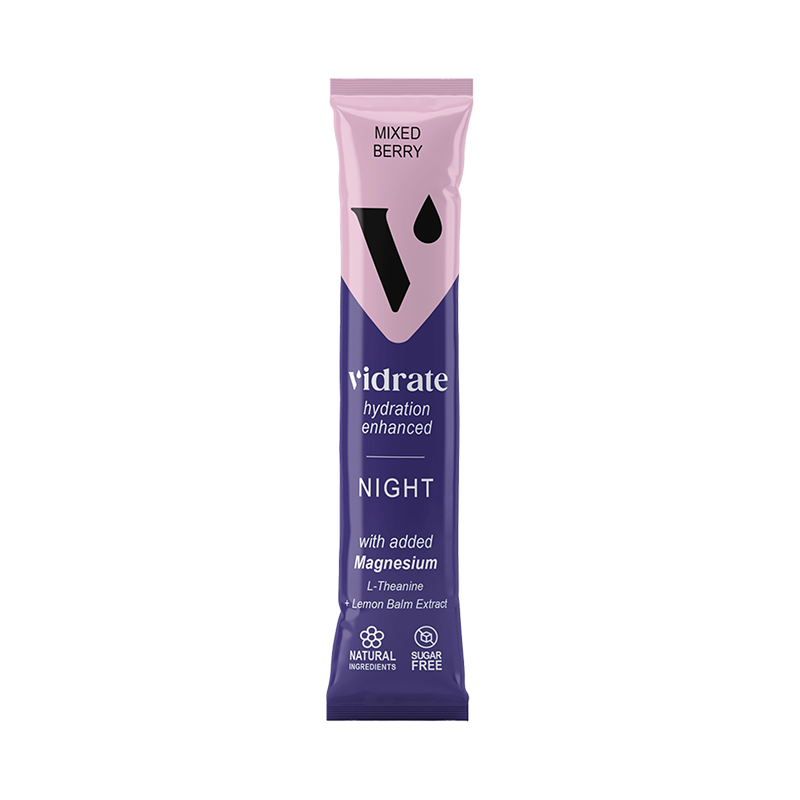
Create a wind-down routine. Do what you'd do at home: put screens away, brush your teeth, have a caffeine-free drink, like Vidrate Night, and settle in. Familiar habits signal to your body that it's time to sleep.
-
Skip the nightcap. Alcohol might help you drift off, but it disrupts the quality of your sleep and dehydrates you. You'll wake up feeling worse.
-
Keep sipping water. It's easy to forget, but dry cabin air works on you while you sleep. Have a drink before you settle down and whenever you wake up.
Time your caffeine carefully
Caffeine is a brilliant tool for jet lag when you use it at the right time, and a real problem when you don't. It can keep you alert for several hours, so avoid it for around six hours before you want to sleep, whether that's on the plane or when you land.
Save it for when you need to be awake at your destination.
When you land
Get outside into daylight
Light is the strongest signal for resetting your body clock, so use it. As a general guide:
-
After flying east, get plenty of morning light and avoid bright light in the late afternoon and evening.
-
After flying west, get outside in the afternoon and early evening, and keep mornings a bit dimmer.
Even on a cloudy day, natural light outdoors is far brighter than indoor lighting.
Use caffeine to your advantage
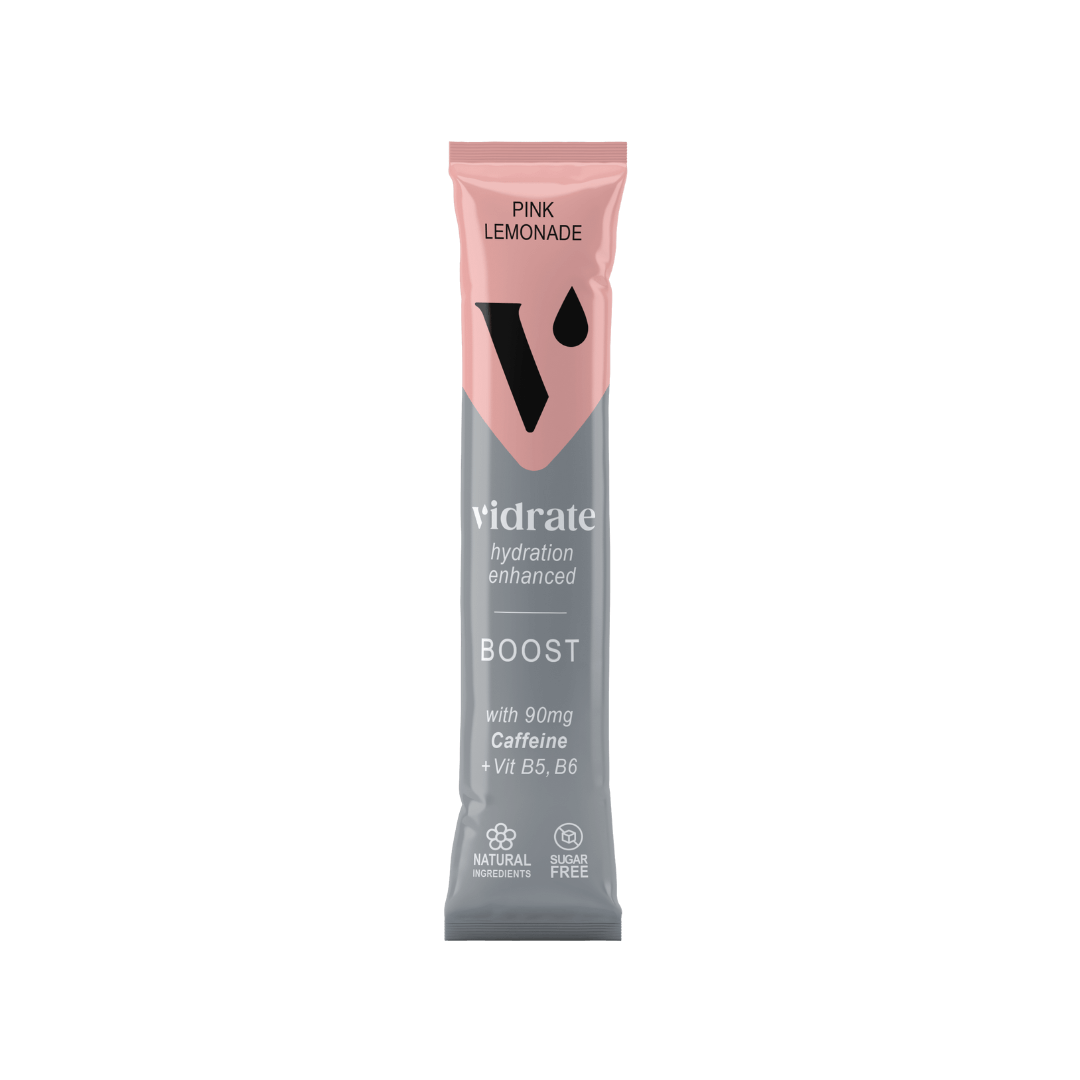
On your first morning, a caffeinated drink like Vidrate Boost can help you feel more alert and push through until the evening. Have it in the morning or early afternoon, then stop so it doesn't get in the way of your first night's sleep.
Keep naps short
If you really need a nap, keep it to 20 to 30 minutes and have it before mid-afternoon. A long nap might feel wonderful, but it can leave you wide awake at bedtime and keep you on home time for longer.
Eat and sleep on local time
Have meals at normal local times, even if you're not very hungry, as eating also helps set your body clock. Then aim to stay up until a sensible local bedtime, around 10pm, and keep your evening calm and relaxing.
Keep up the hydration
Carry on drinking steadily for the first day or two. An electrolyte drink can help you catch up on what you lost in the air, and it's an easy way to ease a headache caused by dehydration.
Frequently asked questions
What's the fastest way to get over jet lag?
Get onto local time as quickly as you can. Get daylight at the right times, eat and sleep on local time, keep naps short and time your caffeine carefully. Staying hydrated will help you feel better while your body adjusts.
Should I sleep on the plane to avoid jet lag?
It depends on the time at your destination. If it's night there, sleep as much as you can. If it's daytime, try to stay awake so you're ready to sleep at a normal local bedtime when you arrive.
Is jet lag worse flying east or west?
For most people it's worse flying east, because shortening your day is harder for your body clock than lengthening it.
Does caffeine help jet lag?
It can, if you get the timing right. A Vidrate Boost in the morning at your destination can help you stay alert but avoid it for around six hours before you want to sleep.
Does dehydration make jet lag worse?
Yes, it can. Dehydration causes tiredness, headaches and poor concentration, which make jet lag feel worse. Drinking steadily before, during and after your flight will help.
Land ready for what's next
Jet lag is your body doing exactly what it's designed to do. It just needs a bit of help catching up. Plan ahead, time your sleep, light and caffeine, and stay well hydrated, and you'll spend less of your trip feeling like a zombie.
For more on looking after yourself when you travel, read how to stay hydrated on a plane and why do I always get ill after flying?