


In this article
Key takeaways
- Dehydration doesn't cause anxiety disorders, but it can cause symptoms that feel like anxiety
- Mild dehydration has been linked to lower mood, more tension and poorer concentration
- A racing heart, dizziness and tiredness are shared signs of dehydration and anxiety
- Sip fluids through the day and go easy on caffeine and alcohol
- Speak to your GP if anxiety is affecting your daily life
Racing heart, feeling light-headed, struggling to focus, a general sense of unease. These are classic signs of anxiety, but they're also signs that you haven't had enough to drink. So can dehydration actually cause anxiety?
The short answer: dehydration doesn't cause anxiety disorders, but it can make you feel anxious. Even mild dehydration can bring on symptoms such as a fast heartbeat, dizziness, tiredness and low mood, which feel a lot like anxiety, and it can make existing anxiety feel worse. Drinking enough through the day is a simple way to take that out of the equation.
Can dehydration cause anxiety?
Not directly. Anxiety has many causes, and drinking more water won't treat an anxiety disorder. But dehydration affects how your body and brain feel, and several of its effects overlap with anxiety:
- A faster heartbeat. When you're low on fluid, your blood volume drops, so your heart beats faster to keep blood flowing.
- Dizziness and light-headedness, especially when you stand up quickly.
- Tiredness and trouble concentrating.
- Headaches.
- Feeling irritable or low.
If you're already prone to anxiety, noticing these physical sensations can feed into anxious thoughts, which is why staying hydrated is worth getting right.
What does the research say?
Studies have found that even mild dehydration can affect mood. In two studies of young adults, losing around 1 to 1.5% of body weight through fluid loss, which can happen with a long walk on a warm day, was linked to lower mood, more fatigue, more tension and difficulty concentrating.
Other research has found that people who usually drink very little water reported feeling less confused and less tired when they drank more. Some larger studies have also found that people who drink less water are more likely to report anxiety and low mood, though these studies show a link rather than proving cause.
So the evidence suggests hydration plays a part in how you feel, but it's one factor among many.
Dehydration or anxiety? How to tell the difference
| Signs that point to dehydration | Signs that point to anxiety |
|---|---|
| Feeling thirsty or having a dry mouth | Worrying thoughts that are hard to control |
| Dark yellow or strong-smelling pee | Feeling on edge or restless much of the time |
| Peeing less often than usual | Symptoms linked to particular situations or thoughts |
| Symptoms ease after drinking | Symptoms carry on even when you're well hydrated |
If you notice a racing heart or dizziness, try having a glass of water and sitting down for a few minutes. If the feeling passes, dehydration may have been part of it. If it doesn't, or it keeps happening, speak to your GP.
Dehydration doesn't always come with thirst, either. Read why am I never thirsty? to find out why.
Why electrolytes matter too
When you sweat, you lose more than water. You also lose electrolytes, minerals such as sodium, potassium and magnesium that help your nerves and muscles work and help your body hold on to fluid. After heavy sweating, illness or a night out, replacing electrolytes as well as water can help you rehydrate more effectively. Find out more in our guide: what are electrolytes and what do they do?
How to stay hydrated when you're feeling anxious
- Sip regularly through the day rather than drinking a lot at once.
- Check your pee. Pale yellow is a good sign you're drinking enough.
- Keep a bottle with you. It's a simple visual reminder.
- Go easy on caffeine. Too much can make you feel jittery and raise your heart rate, which can feel like anxiety. Check our guide to the caffeine content of popular drinks.
- Watch your alcohol. Alcohol makes you pee more and can leave you feeling anxious the next day. Read does alcohol dehydrate you?
- Eat water-rich foods such as cucumber, watermelon, oranges and soup.
- Top up after exercise. Moving more is good for your mood, so remember to replace what you lose in sweat.
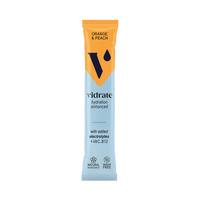
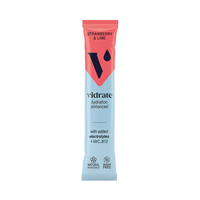
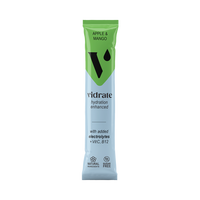
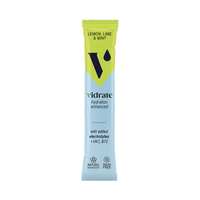
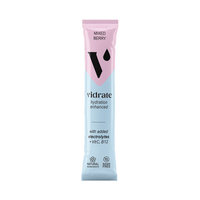
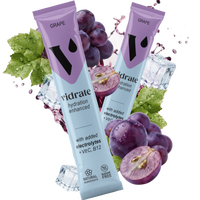
If you find plain water hard to drink, a flavoured drink can help. Vidrate Watermelon & Raspberry is a zero-sugar hydration sachet with electrolytes and vitamins C and B12, sweetened with stevia. Vitamin B12 contributes to the reduction of tiredness and fatigue. Just mix a sachet with water.
Other simple habits that support your mood
Hydration works best alongside other everyday habits:
- Regular meals, so your energy doesn't dip.
- Getting outside and moving every day.
- A regular sleep routine. Read our guide to drinks that help you sleep.
- Talking to people you trust about how you're feeling.
When to get help
If anxiety is affecting your daily life, speak to your GP. In England, you can also refer yourself to an NHS talking therapies service without seeing your GP. If you're struggling to cope or feel unsafe, call NHS 111 or, in an emergency, 999.
Get medical help straight away if you have signs of severe dehydration, such as confusion, a very fast heartbeat, fainting, or not peeing for 8 hours or more.
Frequently asked questions
Can drinking water calm anxiety?
Drinking water won't treat anxiety, but if you're dehydrated, rehydrating can ease physical symptoms such as a racing heart, dizziness and tiredness that can make anxiety feel worse.
Can dehydration cause panic attacks?
Dehydration can cause symptoms that feel similar to a panic attack, such as a fast heartbeat and light-headedness. In people prone to panic, these sensations may act as a trigger.
Can dehydration make you feel on edge?
Yes. Studies have linked even mild dehydration with more tension, lower mood and difficulty concentrating.
What are the first signs of dehydration?
Feeling thirsty, a dry mouth, dark yellow pee, tiredness and headaches are usually the first signs.
How quickly does rehydrating help?
Mild dehydration usually improves within an hour or so of drinking. Sip steadily rather than drinking a lot at once.
The bottom line
Dehydration doesn't cause anxiety disorders, but it can cause symptoms that feel like anxiety and can make anxious feelings worse. Sip fluids through the day, keep an eye on your pee colour, go easy on caffeine and alcohol, and speak to your GP if anxiety is affecting your life.
Sources: NHS, Dehydration. NHS, Generalised anxiety disorder in adults. Armstrong LE et al. (2012), Mild dehydration affects mood in healthy young women, Journal of Nutrition. Ganio MS et al. (2011), Mild dehydration impairs cognitive performance and mood of men, British Journal of Nutrition. Pross N et al. (2014), Effects of changes in water intake on mood of high and low drinkers, PLOS One.

Written by
Nick Hird






Join the conversation
0 commentsGot a tip that works for you? Share it below.