


In this article
Key takeaways
- An electrolyte drink before bed is safe for most healthy adults
- Electrolytes don't keep you awake, but caffeine does, so check the label
- Have it 30 to 60 minutes before bed and stick to a normal glass
- Electrolytes help most after exercise, a hot day, illness or alcohol
- On a normal day, a glass of water is just as good
Hydration and sleep go hand in hand. Being dehydrated can leave you with a dry mouth, a headache and broken sleep, while drinking too much right before bed means trips to the loo in the middle of the night. So where do electrolyte drinks fit in? Should you have one before bed, and could it keep you awake?
The short answer: for most people, an electrolyte drink in the evening is fine and can help you go to bed well hydrated, especially after exercise, a hot day or a few drinks. Keep it caffeine free, have it an hour or so before bed, and stick to a normal glass rather than a big bottle. Here's what you need to know, with tips from Vidrate co-founder and hydration expert Nick Hird.

Should you drink electrolytes before bed?
It's safe for most healthy adults to have an electrolyte drink before bed. Electrolytes such as sodium and potassium help your body absorb and hold on to the fluid you drink, so more of it stays in your system overnight rather than passing straight through.
That can be useful if you've lost more fluid than usual during the day. An electrolyte drink in the evening makes most sense:
- After an evening workout or a long, sweaty training session
- On a hot day, or if you tend to wake up hot and sweaty
- When you've been unwell with sickness or diarrhoea
- After a few alcoholic drinks
- If you often wake up with a dry mouth or a headache
If you've had a normal day and you've been drinking steadily, a glass of water is usually all you need.
Do electrolytes keep you awake?
No. Electrolytes themselves aren't stimulants, so they won't keep you awake. The thing to watch is caffeine. Many energy and sports drinks with electrolytes also contain caffeine, and some electrolyte sachets do too, including our own Boost range, which has 30mg or 90mg per sachet.
Nick's top tip: "Caffeine half life can range from 3 to 7 hours, therefore a flat white or late afternoon caffeine hit is a bad idea as it will result in caffeine metabolites still in your circulation when you go to sleep, and this doesn't help with sleep quality and latency."
So check the label, and keep caffeinated drinks for the morning or early afternoon. For more on this, see our guide to the caffeine content of popular drinks.
Will an electrolyte drink make me wake up to pee?
It can if you drink a lot right before you lie down. Any large drink close to bedtime makes it more likely your bladder will wake you up. Electrolytes can actually help a little here, because they help your body hold on to fluid, but the timing and amount matter most.
- Have your electrolyte drink 30 to 60 minutes before bed, not as you get into bed.
- Stick to a normal glass or mug, around 250ml to 300ml.
- Drink steadily through the day so you're not catching up in the evening.
- Go to the loo just before you go to sleep.
Morning or night: when is the best time to take electrolytes?
There isn't one best time for everyone. It depends on why you're taking them. Many people find the morning works well, because you lose water overnight through breathing and sweating, and a drink first thing helps you start the day hydrated. Around exercise, before, during or after is best. In the evening, electrolytes are useful when you've lost extra fluid during the day.
For a full breakdown, read our guide to when to take electrolytes.
Electrolytes before bed after drinking alcohol
Alcohol stops your body making a hormone that helps you hold on to water, so you pee more than usual and can easily go to bed dehydrated. Having a glass of water or an electrolyte drink before bed helps replace some of that fluid. It won't undo the effects of a heavy night, and the best approach is still to drink water alongside alcohol through the evening.
Nick's top tip: "Alcohol also disrupts sleep quality, so even if you feel like you've had a good night's sleep after a night on the booze, you most likely didn't."
What to look for in an electrolyte drink for the evening
- No caffeine. Check for caffeine, guarana and green tea extract on the label.
- Low or no sugar. A sugary drink late at night isn't great for your teeth or your sleep.
- A sensible dose. You don't need a high-strength sports formula before bed after a normal day.
- Something you enjoy. A warm drink can be a nice part of a wind-down routine.
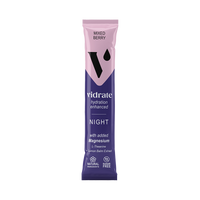
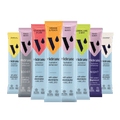
We designed Vidrate Night for exactly this. It's a zero-sugar mixed berry drink with electrolytes, magnesium, L-theanine, zinc and lemon balm, and no caffeine. Magnesium contributes to the normal functioning of the nervous system and the reduction of tiredness and fatigue. Mix a sachet with 300ml of water, hot or cold (lots of our customers love it hot), and have it 30 to 40 minutes before bed. Vidrate Night isn't suitable for under 18s.

Can electrolytes help with leg cramps at night?
Night-time leg cramps are common, especially as we get older, and the cause often isn't clear. Being dehydrated or low in electrolytes after a lot of sweating can play a part for some people, so staying hydrated and replacing what you lose during exercise may help. Gentle calf stretches before bed are also worth trying. If you get cramps often, or they're severe, speak to your GP.
Nick's tips for better hydration and better sleep
- Drink steadily through the day. "You should always drink to thirst, if your mouth is dry then make sure you have a glass of water straight away."
- Have your last big drink an hour or two before bed, with small sips after that if you're thirsty.
- Avoid caffeine from the afternoon onwards, and go easy on alcohol in the evening.
- Check the colour of your pee. "A good way to monitor your hydration is through the colour of your urine. If your urine is dark yellow then you are most likely dehydrated and this should be a signal for you to drink more fluids."
- Drink a glass of water when you wake up. We lose water while we sleep, so a drink first thing replaces it and kick starts your hydration for the day.
- Make sure you get enough sleep. Research has found that people who sleep less than six hours a night are more likely to be inadequately hydrated.
For more ideas, read our guide to drinks that help you sleep or visit our sleep hub.
Who should be careful with electrolytes before bed?
Speak to your GP before using electrolyte drinks regularly if you have kidney disease, heart problems or high blood pressure, or if you take medicine that affects your sodium or potassium levels. If you already wake up several times a night to pee, it's worth talking to your GP about that too, and keeping evening drinks small.
Frequently asked questions
Is it OK to drink electrolytes every night?
For most healthy adults, a low-dose, caffeine-free electrolyte drink in the evening is fine. If you've had a normal day and you're well hydrated, water is just as good.
Do electrolytes help you sleep?
Electrolytes don't make you sleepy, but going to bed well hydrated can help you avoid waking up with a dry mouth or a headache. Choose a drink without caffeine.
Is it better to drink water or electrolytes before bed?
Water is enough for most people on most days. Electrolytes are more useful when you've lost extra fluid through exercise, heat, illness or alcohol.
How long before bed should I have an electrolyte drink?
Around 30 to 60 minutes before bed works well for most people. It gives your body time to absorb the fluid and gives you a chance to go to the loo before you sleep.
The bottom line
An electrolyte drink before bed is safe for most people and can help you go to sleep well hydrated, especially after a workout, a hot day or a night out. Keep it caffeine free, keep it to a normal glass, and have it 30 to 60 minutes before bed. On a normal day, a glass of water does the job just as well.
Source: Rosinger A.Y. et al. (2019) Short sleep duration is associated with inadequate hydration, SLEEP 42(2) academic.oup.com/sleep/article/42/2/zsy210/5155420



Join the conversation
0 commentsGot a tip that works for you? Share it below.