




In this article
Key takeaways
- All teas from the tea plant contain caffeine, including black, green and Earl Grey
- Green tea has around 30mg a cup, roughly half of black tea
- Peppermint, chamomile and rooibos teas are naturally caffeine free
- Some blends, like Moroccan mint, contain green tea and caffeine
- Switch to caffeine-free drinks from mid-afternoon if you struggle to sleep
There's nothing like a cup of tea before bed. But if you want to sleep well, it helps to know which teas contain caffeine and which don't, because some of the UK's favourite brews have more than you might think.
The short answer: teas made from the tea plant, including black tea, Earl Grey, green tea, white tea and oolong, all contain caffeine. Herbal teas such as peppermint, chamomile, rooibos and most fruit teas are naturally caffeine free, which makes them a better choice in the evening.
Does green tea have caffeine?
Yes. Green tea is made from the same plant as black tea, so it contains caffeine. A cup usually has around 30mg, roughly half the amount in a mug of black tea, but it varies with the tea and how long you brew it.
Matcha, a powdered green tea, usually has more caffeine than regular green tea, because you drink the whole ground leaf rather than an infusion. Decaf green tea is widely available and contains only a trace.
Green tea also naturally contains L-theanine, an amino acid, which is one reason many people find it feels gentler than coffee. It still contains caffeine, though, so it's best kept to earlier in the day if you're sensitive.
Does peppermint tea have caffeine?
No. Pure peppermint tea is made from dried peppermint leaves, not the tea plant, so it's naturally caffeine free. It's a popular choice after an evening meal.
Check the label on blends, though. Moroccan mint tea, for example, is usually green tea mixed with mint, so it does contain caffeine.
Does chamomile tea have caffeine?
No. Chamomile tea is naturally caffeine free. It's made from dried chamomile flowers, not leaves from the tea plant, so it contains no caffeine at all. That's one reason it's one of the most popular drinks before bed.
Many people find a warm cup of chamomile relaxing, though the research on chamomile and sleep is limited. Check the label on blends, as some chamomile teas are mixed with green or black tea.
Does Earl Grey have caffeine?
Yes. Earl Grey is black tea flavoured with bergamot oil, so it has about the same amount of caffeine as a normal cup of black tea. A mug can contain up to around 75mg, depending on the tea and how long you brew it. Lady Grey is also made with black tea, so it contains caffeine too.
If you love Earl Grey in the evening, decaffeinated Earl Grey is easy to find and contains only a trace of caffeine.
Does rooibos tea have caffeine?
No. Rooibos, sometimes called red bush tea, comes from a South African plant and is naturally caffeine free. It has a sweet, slightly nutty flavour and works well with a splash of milk, which makes it a good swap if you miss your evening cuppa.
How much caffeine is in different teas?
| Tea | Caffeine |
|---|---|
| Builder's tea or English breakfast | Up to around 75mg a mug |
| Earl Grey and Lady Grey | Similar to black tea |
| Chai (made with black tea) | Similar to black tea |
| Green tea | Around 30mg a cup, roughly half of black tea |
| Matcha | Usually more than green tea, because you drink the whole leaf |
| White tea and oolong | Varies, usually between green and black tea |
| Decaf tea | A trace, around 2mg a cup |
| Peppermint | None |
| Chamomile | None |
| Rooibos (red bush) | None |
| Fruit teas | None, unless blended with tea leaves |
The figure for a mug of black tea is the NHS's estimate. Other figures are typical amounts, and caffeine varies with the brand, the size of your cup and how long you brew it. The longer you brew, the more caffeine ends up in your cup.
Which herbal teas have caffeine?
Most herbal teas are caffeine free, but there are a few exceptions to watch out for:
- Yerba mate is a South American herbal drink that contains caffeine.
- Guayusa is another caffeinated herbal leaf.
- Blends that mix herbs or fruit with green or black tea will contain caffeine. Check the ingredients.
Best caffeine-free teas before bed
- Chamomile: light and floral, and a bedtime classic.
- Peppermint: refreshing and light after a big meal.
- Rooibos: rich and sweet, and good with milk.
- Lemon balm: a gentle, lemony herb often used in evening blends.
- Fruit teas: plenty of flavour with no caffeine, as long as there's no tea in the blend.
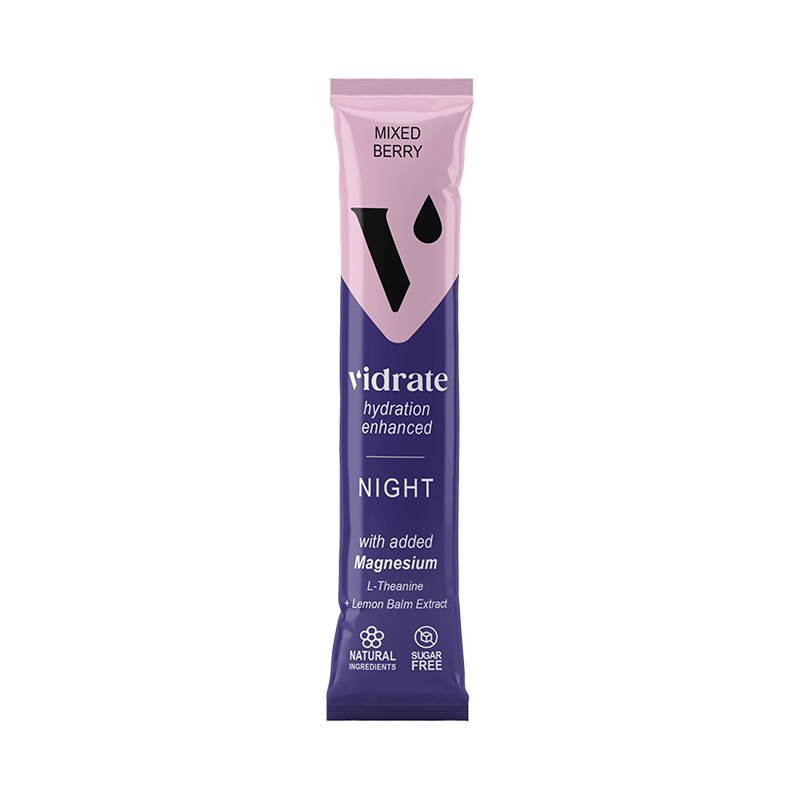
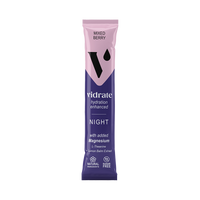
If you'd like something different, Vidrate Night is a caffeine-free, zero-sugar mixed berry drink with magnesium, L-theanine, zinc and lemon balm. Magnesium contributes to the normal functioning of the nervous system and the reduction of tiredness and fatigue. Lots of our customers drink it hot, mixed with 300ml of water, 30 to 40 minutes before bed. It isn't suitable for under 18s.
When should you stop drinking tea with caffeine?
Caffeine can stay in your system for several hours, so it's best to switch to caffeine-free drinks from early afternoon if you're sensitive to it or struggle to sleep. Everyone is different, but a mid-afternoon cut-off is a sensible place to start.
It's also worth thinking about how much you drink in the evening, not just what. A big mug right before bed can wake you up for the loo. For more on this, read should you drink electrolytes before bed? and our tips for better sleep.
Does tea count towards your fluids?
Yes. Tea, including caffeinated tea, counts towards your daily fluid intake. The small amount of caffeine in a normal cup doesn't outweigh the water in it. For other drinks, see our guide to the caffeine content of popular drinks, and if hot chocolate is your evening drink of choice, read does hot chocolate have caffeine?
Frequently asked questions
Is green tea caffeine free?
No. Green tea contains caffeine, usually around half the amount in a cup of black tea. Decaf green tea contains only a trace.
Is peppermint tea OK before bed?
Yes. Pure peppermint tea is naturally caffeine free, so it's a good choice in the evening. Just check it isn't blended with green tea.
Is chamomile tea caffeine free?
Yes. Pure chamomile tea is naturally caffeine free, because it's made from flowers rather than tea leaves.
Does decaf tea have any caffeine?
Decaf tea still contains a trace of caffeine, usually around 2mg a cup, but that's very small compared with around 75mg in a mug of normal tea.
Is Earl Grey OK before bed?
Earl Grey contains caffeine, so it isn't the best choice before bed if you're sensitive to caffeine. Decaf Earl Grey or a herbal tea is a better option in the evening.
The bottom line
If it comes from the tea plant, it has caffeine. That includes black tea, Earl Grey, green, white and oolong tea. Peppermint, chamomile, rooibos and most fruit teas are naturally caffeine free, so they're the best choice for the evening. Switch to caffeine-free drinks from mid-afternoon and keep your bedtime drink to a normal-sized cup.

Written by
Nick Hird
[Author bio: one or two lines on the author and their role at Vidrate]



Join the conversation
0 commentsGot a tip that works for you? Share it below.