


In this article
Key takeaways
- A glass of water when you wake up helps replace fluid lost overnight
- There's no strong evidence that morning water is better than water at other times
- One or two glasses, about 250 to 500ml, is plenty to start the day
- Claims that it detoxes you or clears your skin aren't backed by evidence
- Drinking enough across the whole day matters most
Drinking a glass of water first thing in the morning is one of the most popular wellness habits around. You'll see claims that it flushes out toxins, boosts your metabolism and clears your skin. So what does drinking water when you wake up actually do?
The short answer: after a night without drinking, a glass of water first thing is an easy way to start rehydrating and kick off a good habit. It's a great routine to build. But there's no strong evidence that water in the morning is better for you than water at any other time. What matters most is drinking enough across the whole day.
Why drink water first thing in the morning?
You go 7 to 9 hours without a drink while you sleep, and you still lose water during the night through breathing and sweating. So it's normal to wake up slightly low on fluids, especially if it's warm, you had alcohol the night before, or you sleep with the heating on.
A glass of water when you wake up helps replace that overnight loss. It's also one of the easiest habits to stick to, because it fits into a routine you already have, which makes it a great start to drinking enough through the rest of the day.

Benefits of drinking water in the morning
- It rehydrates you after the night. Even mild dehydration is linked to tiredness, headaches and poorer concentration, so starting the day hydrated can help you feel more alert.
- It builds a habit. Linking a glass of water to something you already do, such as brushing your teeth or putting the kettle on, makes it far more likely to stick.
- It can help you feel fuller. In one small study of older adults, drinking about 500ml of water 30 minutes before breakfast meant they ate around 13% fewer calories at that meal. The effect wasn't seen in younger adults.
- It can help keep you regular. Fluid, along with fibre, helps keep your bowels moving, and constipation is more likely when you're dehydrated.
- It's a better first drink than juice. Starting with water rather than fruit juice or a sugary drink cuts sugar at breakfast.
Morning water myths
| Claim | What the evidence says |
|---|---|
| It flushes out toxins | Your liver and kidneys remove waste all the time. Drinking enough helps your kidneys work, but morning water doesn't detox you any more than water later in the day. |
| It boosts your metabolism | Some studies show a small, short-lived rise in calorie burning after drinking water, but it's not enough to make a real difference to weight. |
| It clears your skin | Very dehydrated skin can look dry, but there's little evidence that extra water improves acne or wrinkles. |
| It strengthens your immune system | Staying hydrated is part of being healthy, but there's no evidence that water on an empty stomach boosts immunity. |
How much water should you drink in the morning?
One or two glasses, about 250 to 500ml, is plenty. There's no need to force down a litre in one go. Then keep sipping through the morning. The NHS recommends 6 to 8 glasses of fluid a day in total, and pale yellow pee is a good sign you're drinking enough.
Is warm water or cold water better in the morning?
Both hydrate you equally well, so choose whichever you prefer. Some people find warm water easier on the stomach first thing, while cold water can feel more refreshing. Avoid very hot drinks, which can scald.
Is lemon water good in the morning?
Lemon water is a nice way to make water taste more interesting, and it adds a little vitamin C. But it doesn't detox your body or burn fat. Lemon juice is acidic, so drink it with a meal or through a straw and rinse your mouth with plain water afterwards to protect your teeth.
Should you drink water before coffee?
It's a good habit. Having a glass of water while the kettle boils means you start the day with water first. Tea and coffee still count towards your daily fluids, so you don't need to cut them out. Check the caffeine content of popular drinks if you're watching how much you have.
When do electrolytes help in the morning?
Plain water is enough most mornings. An electrolyte drink can help if you've woken up after a night of drinking, been ill, or have an early workout or a hot day ahead. Read our guides to whether alcohol dehydrates you and when to take electrolytes.
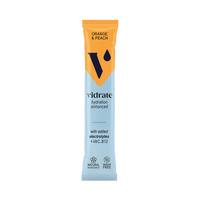
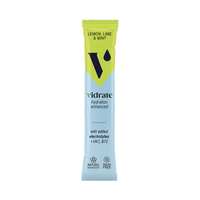
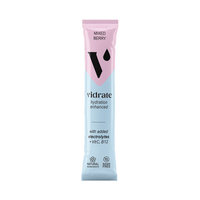
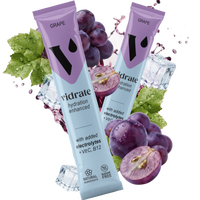
If you'd like a flavour to make your morning glass easier, Vidrate Orange & Peach is a zero-sugar hydration sachet with electrolytes and vitamins. Mix a sachet with water and keep sipping through the morning.
How to make morning water a habit
- Fill a glass or bottle before bed and leave it by your bed or the kettle.
- Drink it before you check your phone or make a coffee.
- Use a bottle with time markings to keep you going through the day.
- Don't drink loads right before bed to make up for it, or you'll be up in the night. Read should you drink electrolytes before bed?
Frequently asked questions
What happens if you drink water on an empty stomach?
It rehydrates you after the night and may help you feel fuller at breakfast. There's no strong evidence for bigger claims such as detoxing or clearing your skin.
How soon after waking should you drink water?
Whenever suits you. Many people find it easiest straight away, before tea, coffee or breakfast.
Is it better to drink water in the morning or at night?
Both are fine. Spreading your drinks through the day matters more than timing. Avoid drinking a lot just before bed if it wakes you up to pee.
Does drinking water in the morning help you lose weight?
Drinking water before a meal may help some people eat a little less, but on its own it isn't a weight loss method.
How much water should I drink when I wake up?
One or two glasses, about 250 to 500ml, is a good amount to start the day.
The bottom line
A glass of water when you wake up is a simple, healthy habit that helps replace fluid lost overnight and sets you up to drink enough through the day. It won't detox you or melt fat, but it's an easy win. Keep it to one or two glasses, then keep sipping regularly until bedtime.
Sources: NHS, Water, drinks and your health. Van Walleghen EL et al. (2007), Pre-meal water consumption reduces meal energy intake in older but not younger subjects, Obesity. Armstrong LE et al. (2012), Mild dehydration affects mood in healthy young women, Journal of Nutrition.






Join the conversation
0 commentsGot a tip that works for you? Share it below.