


Von Nick Hird
Why Do I Always Get Ill After Flying? How to Stay Well When You Travel
You've been counting down to your holiday for months. Then, two days in, the sore throat starts. Or you get back from a work trip and spend the following week struggling with a cold.
If it feels like you always get ill after flying, you're not imagining it. But the reason probably isn't the one you think. Let's clear up the biggest myth first, then look at what really affects your chances of staying well, and what you can do about it.
The myth: "plane air is full of germs"
It's easy to blame the recycled air, but the air in a modern plane cabin is cleaner than you might think.
Most large planes mix fresh air from outside with air that's been passed through HEPA filters. These are the same type of high-efficiency filters used in hospitals, and they trap the vast majority of bacteria and viruses. The air in the cabin is also refreshed every few minutes, far more often than in a typical office or shop.
So the air itself isn't really the problem but a few other things are.
What really makes you more likely to get ill
Being close to other people
The biggest risk is spending long hours in close proximity to a lot of people. If someone near you is coughing or sneezing, sitting within a couple of rows of them is where the risk is highest. The same goes for crowded queues at check-in, security and boarding.
Surfaces
On a plane, tray tables, seatbelt buckles, armrests, screens and toilet door handles are touched by hundreds of people. Airports are no different. One study even found traces of cold and flu viruses on the plastic trays used at security. Wash your hands regularly and consider travelling with a hand sanitiser.
Dry air drying out your defences
This is where cabin air does play a part, but because it's dry, not dirty. The inside of your nose and throat is lined with a moist layer of mucus that traps germs before they can cause trouble. In very dry air this layer can dry out and may not work as well as it should.
The dry air can also leave you dehydrated, which brings tiredness and headaches that make you feel run down. Our guide to how to stay hydrated on a plane explains why cabin air is so dry and what to do about it.
Lost sleep
Early starts, overnight flights and jet lag all eat into your sleep. Sleep is when your body does a lot of its repair work, and research has linked short sleep with a higher chance of catching a cold. If you're travelling across time zones, our guide to how to beat jet lag will help you get back on track sooner.
Stress and a change of routine
Rushing for a flight, long queues, a different diet, a few more drinks than usual and less time outdoors all add up. None of these makes you ill on its own, but together they can leave you feeling below your best.
Is it a cold, or just the flight?
Not every sniffle means you've caught something. Dry cabin air can leave you with a stuffy or runny nose, a scratchy throat and dry eyes, and changes in cabin pressure can cause blocked ears. These usually clear up within a day or so of landing, especially if you rehydrate well.
If your symptoms get worse after a day or two, or you develop a temperature, aches and a proper cough, it's more likely to be a cold or flu.
How to stay well when you travel
Before you go
-
Get enough sleep in the days before you travel. Try not to start the trip already exhausted.
-
Eat well. A varied diet with plenty of fruit and vegetables gives your body what it needs. Nutrients like vitamin C, vitamin D and zinc contribute to the normal function of your immune system.
-
Pack a small travel kit. Hand sanitiser, antibacterial wipes, lip balm, a refillable water bottle and some tissues will cover most things.
At the airport and on board
-
Clean your hands often. Wash them properly or use hand sanitiser, especially before eating and after using the toilet.
-
Wipe down your space. A quick wipe of your tray table, armrests, screen and seatbelt buckle takes seconds.
-
Try not to touch your face. Germs usually get in through your eyes, nose and mouth.
-
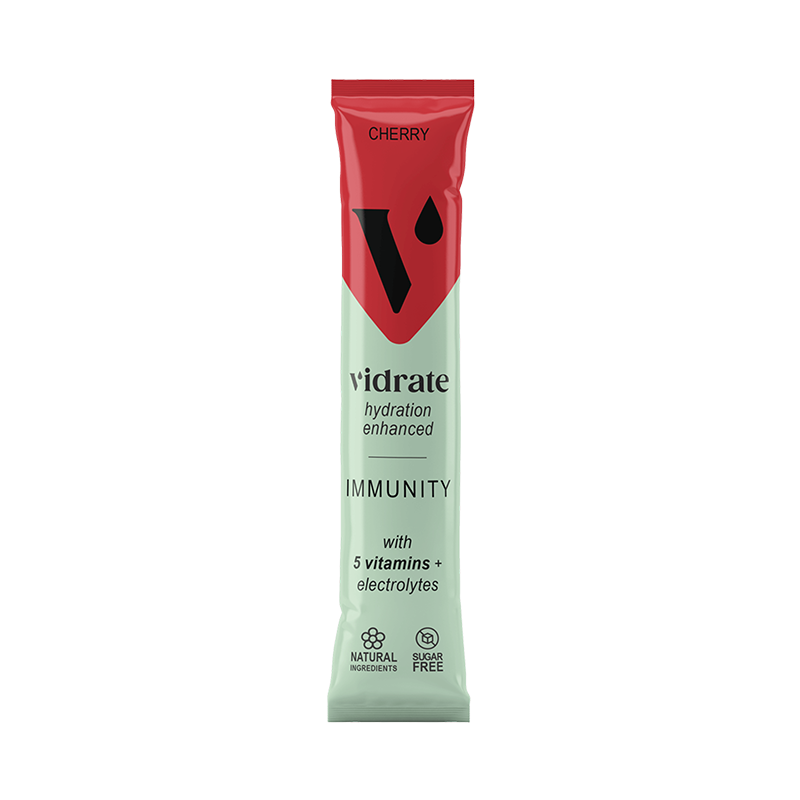
Stay hydrated. Sip water steadily throughout the flight, add electrolytes like Vidrate Immunity to help your body hold on to fluid, and go easy on alcohol.
-
Get some sleep if you can. Even a couple of hours makes a difference.
-
Move around. Walk down the aisle every hour or two and do some simple ankle and leg stretches in your seat. It's good for your circulation and helps you feel less stiff.
After you land
-
Keep drinking. Carry on hydrating for the first day or two to catch up on what you lost in the air.
-
Get outside. Daylight helps reset your body clock, and fresh air and a walk will help you feel more human.
-
Eat well and sleep on local time. Give your body the fuel and rest it needs to recover from the journey.
When to get medical advice
Most colds after flying are mild and clear up on their own. Speak to a pharmacist, your GP or NHS 111 if your symptoms are severe or not improving, or if you feel unwell after travelling somewhere with a risk of diseases such as malaria.
Get medical help straight away if you have pain, swelling or warmth in one leg, or you feel short of breath or have chest pain after a long flight. These can be signs of a blood clot and need checking urgently.
Frequently asked questions
Why do I always get a cold after flying?
It's usually a mix of being close to lots of people, touching shared surfaces, dry cabin air drying out your nose and throat, and losing sleep. The cabin air itself is well filtered, so it isn't usually the cause.
Is plane air clean?
Yes, on most modern planes. Cabin air is a mix of fresh outside air and air passed through HEPA filters, which trap most bacteria and viruses, and it's refreshed every few minutes.
Where's the best place to sit to avoid getting ill?
A window seat means fewer people pass by and lean over you. The risk is highest in the seats closest to someone who's unwell, so moving away if you can is sensible.
Does staying hydrated help you avoid getting ill?
Staying hydrated helps keep the moist lining of your nose and throat working as it should, and it helps you avoid the tiredness and headaches that leave you feeling run down. It's one part of looking after yourself when you travel, alongside good hand hygiene, sleep and a healthy diet.
What's a "plane cold"?
It's the name people often use for the stuffy nose, sore throat and dry eyes you can get after a flight. These are usually caused by the dry cabin air rather than an infection and tend to ease within a day or so of landing.
Arrive ready to enjoy it
Getting ill after a flight isn't inevitable. Clean hands, a well-hydrated body, a good night's sleep and a little planning go a long way towards making sure you spend your trip doing what you came to do.
Before your next trip, read how to stay hydrated on a plane and how to beat jet lag.