





In this article
Key takeaways
- There's no single best time to take magnesium, so consistency matters most
- For sleep, take it in the evening, 30 to 60 minutes before bed
- For general health, morning or night both work
- Take it with food if it upsets your stomach, or split a larger dose
- The NHS says 400mg or less a day from supplements is unlikely to cause harm
Magnesium has become one of the most popular supplements in the UK, and one of the most common questions about it is when to take it. Morning or night? With food or without? And if you're taking it for sleep, how long before bed?
The short answer: there's no single best time to take magnesium for everyone. Taking it consistently matters more than the exact time. If you're taking it to help you wind down, most people take it in the evening, around 30 to 60 minutes before bed. For general health, take it whenever you'll remember, with food if it upsets your stomach.
What is the best time to take magnesium?
The best time depends on why you're taking it.
| Why you're taking it | Best time |
|---|---|
| Sleep and winding down | In the evening, around 30 to 60 minutes before bed |
| General health or topping up low levels | Any time of day, as long as it's the same time each day |
| You have a sensitive stomach | With a meal, rather than on an empty stomach |
| You take a larger daily amount | Split between morning and evening |
| You take other medicines | A few hours apart from them, as advised by your pharmacist |
Magnesium builds up in your body over time rather than working like a quick fix, so the time you'll stick to every day is usually the right one.
Should you take magnesium in the morning or at night?
Both are fine. There's no strong research showing that magnesium works better at one time of day than another.
- Take it at night if you're taking it as part of a wind-down routine, or if it's easiest to remember alongside your evening meal or bedtime drink.
- Take it in the morning if you're taking it for general health and you're more likely to remember it with breakfast.
Most people who take magnesium for sleep choose the evening, simply because it fits naturally into their bedtime routine.
When to take magnesium for sleep
For sleep, take magnesium in the evening, around 30 to 60 minutes before you plan to go to bed. That gives you time to settle, and if you take it with a drink, time to go to the loo before you sleep.
Make it part of a routine, alongside dimming the lights, putting your phone away and having a warm, caffeine-free drink. Taking it at roughly the same time each night matters more than the exact minute.
The evidence on magnesium and sleep is promising but limited. A 2021 review of studies in older adults found that magnesium may help people fall asleep a little faster, but the studies were small. It's most likely to make a difference if your levels are low to begin with. For more ideas, read our tips for better sleep.
Should you take magnesium with food or on an empty stomach?
You can take magnesium with or without food. The most common side effect is an upset stomach or loose stools, especially at higher doses, so if that happens to you, take it with a meal or a snack. Many people find their evening meal is an easy time to take it.
Can you split your magnesium dose?
Yes. If you take a larger amount, splitting it between morning and evening can be easier on your stomach. Just make sure the total for the day stays within the guidance below.
Timing magnesium around medicines
Magnesium can reduce how well some medicines are absorbed, including certain antibiotics and medicines for osteoporosis. If you take any regular medicine, ask your pharmacist how far apart to take them. A gap of a few hours is common.
How much magnesium do you need?
The NHS says adults need around 300mg of magnesium a day for men and 270mg a day for women, and that most people can get all they need from a varied diet. Good sources include spinach and other leafy greens, nuts, seeds, beans and wholemeal bread.
If you take a supplement, the NHS advises that 400mg or less a day from supplements is unlikely to cause any harm. Taking more than 400mg can cause diarrhoea.
Which type of magnesium is best?
Magnesium comes in different forms, and they behave a little differently.
| Type | What it's known for |
|---|---|
| Magnesium glycinate (bisglycinate) | Popular for evening use and generally gentle on the stomach |
| Magnesium citrate | Well absorbed, but can have a laxative effect at higher doses |
| Magnesium oxide | Contains a lot of magnesium per tablet, but is less well absorbed |
| Magnesium threonate | A newer form that's often marketed for the brain, with less research behind it |
If you're unsure which form or dose is right for you, a pharmacist can help.
How long does magnesium take to work?
It depends on why you're taking it, but magnesium isn't a quick fix. For sleep, research has usually looked at people taking it every day for several weeks. Read our full guide: how long does magnesium take to work?
An easy way to make magnesium part of your evening
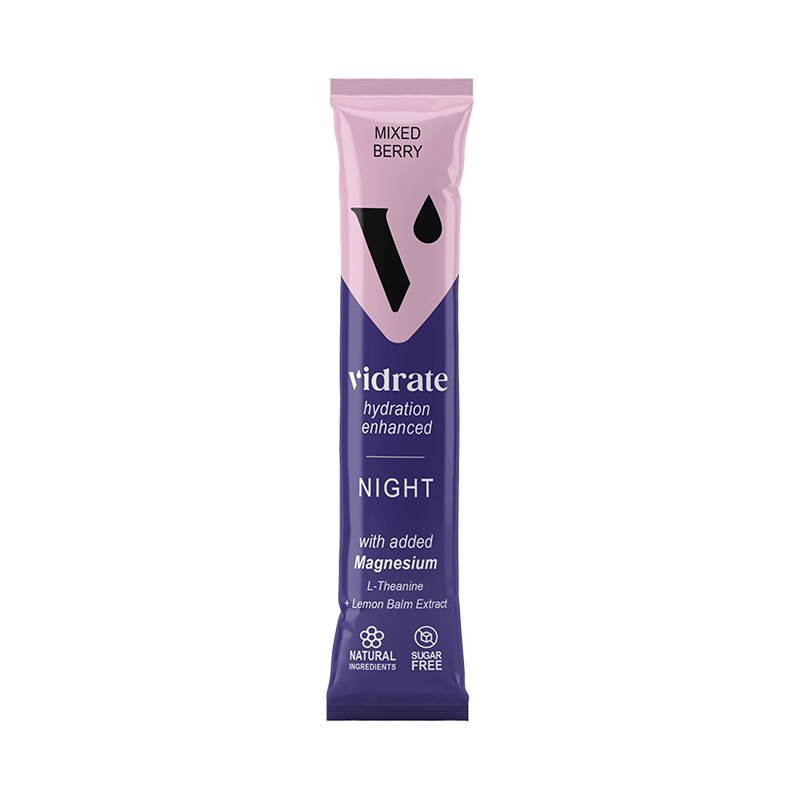
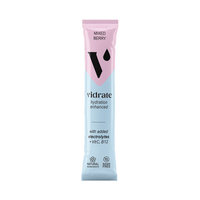
If you like the idea of a warm, caffeine-free drink as part of your wind-down, Vidrate Night is a zero-sugar mixed berry drink with magnesium, L-theanine, zinc and lemon balm. Magnesium contributes to the normal functioning of the nervous system and the reduction of tiredness and fatigue. Mix a sachet with 300ml of water, hot or cold, and have it 30 to 40 minutes before bed. Vidrate Night isn't suitable for under 18s.
Keep the rest of your evening drinks in check too. Caffeine can stay in your system for hours, so it's worth checking which teas have caffeine, and if you're thinking about electrolytes at night, read should you drink electrolytes before bed?
Who should check before taking magnesium?
Magnesium supplements aren't right for everyone. Speak to your GP or a pharmacist first if you have kidney disease, if you're pregnant or breastfeeding, or if you take other medicines.
Frequently asked questions
What is the best time of day to take magnesium?
There's no single best time. For sleep, take it in the evening. For general health, take it at the same time each day, whenever you're most likely to remember.
How long before bed should I take magnesium?
Around 30 to 60 minutes before bed works well for most people. Taking it at a similar time each evening matters more than the exact timing.
Can I take magnesium on an empty stomach?
Yes, but if it gives you an upset stomach or loose stools, take it with a meal or a snack instead.
Can I take magnesium every day?
Yes, most healthy adults can take magnesium daily. The NHS says 400mg or less a day from supplements is unlikely to cause harm.
Can magnesium make you feel drowsy in the day?
Magnesium doesn't work like a sleeping pill, so it shouldn't make you feel drowsy. If you take it in the morning, you can carry on with your day as normal.
The bottom line
The best time to take magnesium is the time you'll stick to. For sleep, take it in the evening, around 30 to 60 minutes before bed. For general health, any time of day works. Take it with food if it upsets your stomach, stay within 400mg a day from supplements, and check with a pharmacist if you take other medicines.
Sources: NHS, Vitamins and minerals: magnesium. Mah J and Pitre T (2021), Oral magnesium supplementation for insomnia in older adults: a systematic review and meta-analysis, BMC Complementary Medicine and Therapies.

Written by
Nick Hird
[Author bio: one or two lines on the author and their role at Vidrate]





Join the conversation
0 commentsGot a tip that works for you? Share it below.