


In this article
Key takeaways
- A mug of instant coffee has around 100mg of caffeine
- A mug of filter coffee has around 140mg
- A single espresso shot has roughly 45mg to 100mg
- High street cappuccinos range from 89mg to 325mg
- Most adults can safely have up to 400mg of caffeine a day
Coffee is the UK's go-to pick-me-up, but the amount of caffeine in your cup can vary hugely depending on how it's made and where you buy it. A homemade instant and a large coffee shop cappuccino can be miles apart.
The short answer: a mug of instant coffee has around 100mg of caffeine and a mug of filter coffee around 140mg, according to the NHS. A single espresso shot ranges from about 45mg to 100mg depending on the coffee shop. High street coffees vary even more: in 2026, Which? found cappuccinos ranging from 89mg to 325mg of caffeine.
How much caffeine is in a cup of coffee?
| Coffee | Caffeine (approx.) |
|---|---|
| Mug of instant coffee | 100mg |
| Mug of filter coffee | 140mg |
| Single espresso shot | 45mg to 100mg |
| Double espresso | About twice a single shot |
| Latte, cappuccino or flat white | Depends on the number of espresso shots |
| Decaf coffee | A few milligrams, usually under 15mg |
The instant and filter figures are the NHS's estimates for a mug. Espresso figures come from the coffee shops tested by Which?. The exact amount in your cup depends on the coffee, how strong you make it and the size of your mug.
How much caffeine is in high street coffee?
Coffee shop drinks can contain far more caffeine than a coffee made at home. In August 2026, Which? compared popular drinks from the big UK chains.
| Drink | Caffeine |
|---|---|
| Costa cappuccino (medium) | 325mg |
| Greggs cappuccino (large) | 235mg |
| Caffè Nero cappuccino (regular) | 221mg |
| Pret cappuccino (355ml) | 180mg |
| Starbucks cappuccino (tall) | 89mg |
| Costa flat white | 241mg |
| Starbucks flat white | 89mg |
| Costa espresso | 100mg |
| Starbucks espresso | 45mg |
So a medium Costa cappuccino has more than three and a half times the caffeine of a tall Starbucks one, and a single large coffee shop drink can take up most of the 400mg daily limit for adults. Recipes and serving sizes change, so check the chain's own nutrition information if you need an exact figure.
How much caffeine is in a shot of espresso?
A single shot of espresso usually contains somewhere between 45mg and 100mg of caffeine. Which? found 45mg in a Starbucks espresso and 100mg in a Costa espresso, while Pret's single espresso had nearly four times as much as Starbucks'. Espresso is stronger than filter coffee per sip, but because a shot is small, a single espresso often has less caffeine than a mug of filter coffee.
Why does the caffeine in coffee vary so much?
- The type of bean. Robusta beans contain roughly twice as much caffeine as arabica beans. Many instant coffees and some espresso blends use robusta.
- How many shots. Lattes, cappuccinos and flat whites are made with espresso, so the caffeine depends on how many shots go in. Some chains use two or three shots as standard.
- The size of the cup. Coffee shop cups are often much bigger than a standard mug.
- How it's brewed. Longer contact between water and coffee, finer grinds and more coffee per cup all mean more caffeine.
- The roast. Light and dark roasts contain similar amounts of caffeine. A dark roast tastes stronger but isn't more caffeinated.
Does adding milk reduce the caffeine?
No. Milk doesn't remove any caffeine, it just makes the drink bigger and milder. A latte has the same caffeine as the espresso shots that went into it.
How much coffee is safe to drink?
The European Food Safety Authority says most healthy adults can safely have up to 400mg of caffeine a day, and that single doses of up to 200mg don't raise safety concerns. That's roughly four mugs of instant coffee, or as little as one large coffee shop drink.
If you're pregnant, the NHS advises no more than 200mg of caffeine a day. Children and teenagers should have much less, and people who are sensitive to caffeine may notice jitters, a racing heart or poor sleep at lower amounts.
Coffee vs tea vs energy drinks
| Drink | Caffeine (approx.) |
|---|---|
| Mug of filter coffee | 140mg |
| Mug of instant coffee | 100mg |
| Mug of tea | 75mg |
| Energy drink (250ml can) | 80mg |
| Can of cola (330ml) | 40mg |
Figures are NHS estimates. For more drinks, see our guide to the caffeine content of popular drinks, or read how much caffeine is in tea? and which teas have caffeine?
Does coffee dehydrate you?
Not in normal amounts. Caffeine has a mild effect on how much you pee, but the water in a cup of coffee more than makes up for it, so coffee counts towards your daily fluids. Read more in do tea and coffee dehydrate you?
A zero-sugar alternative to your coffee run
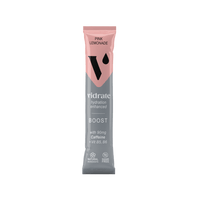
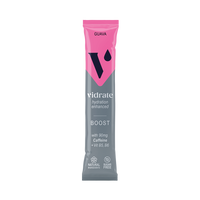
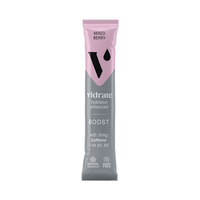
If you want a lift without the coffee shop syrups, Vidrate Pink Lemonade Boost is a zero-sugar drink you mix with water, with 90mg of caffeine per sachet, electrolytes and vitamins B5 and B6. Vitamin B6 contributes to the reduction of tiredness and fatigue. Prefer something gentler? Mixed Berry Boost has 30mg of caffeine. Boost isn't recommended for children or if you're pregnant or breastfeeding.
Frequently asked questions
How much caffeine is in 1 cup of normal coffee?
The NHS estimates around 100mg in a mug of instant coffee and 140mg in a mug of filter coffee. Coffee shop drinks can contain much more.
Is 200mg of caffeine a lot?
For most healthy adults, 200mg in one go is fine and is half the 400mg daily limit. It's the NHS's daily limit in pregnancy, and a single large coffee shop cappuccino can contain more than this.
How much caffeine is in decaf coffee?
Decaf isn't completely caffeine free, but it usually contains only a few milligrams a cup. Which? found 2mg in a Costa decaf coffee and 6mg in a Pret decaf latte.
Does instant coffee have less caffeine than filter?
Usually, yes. The NHS estimates about 100mg in a mug of instant and 140mg in a mug of filter coffee, though a strong instant can have more.
Which coffee chain has the most caffeine?
In Which?'s 2026 tests, Costa's medium cappuccino had the most caffeine of the cappuccinos tested, at 325mg. Starbucks' tall cappuccino had the least, at 89mg.
The bottom line
A mug of instant coffee has around 100mg of caffeine and a mug of filter around 140mg, while a single espresso has roughly 45mg to 100mg. Coffee shop drinks vary the most, from under 100mg to over 300mg, so one large cappuccino can be most of your daily allowance. Keep to 400mg a day, or 200mg if you're pregnant.
Sources: NHS, Foods to avoid in pregnancy. Which? (August 2026), caffeine levels in high street coffees. European Food Safety Authority (2015), Scientific opinion on the safety of caffeine.

Written by
Nick Hird


Join the conversation
0 commentsGot a tip that works for you? Share it below.