


In this article
Key takeaways
- A mug of black tea has around 75mg of caffeine, according to the NHS
- A mug of instant coffee has around 100mg, and filter coffee around 140mg
- Green tea has around half the caffeine of black tea
- Herbal teas like peppermint, chamomile and rooibos are caffeine free
- Adults can have up to 400mg of caffeine a day, or 200mg if pregnant
Tea is the UK's favourite hot drink, and plenty of us have it because it feels gentler than coffee. But it still contains caffeine, and a strong mug of builder's tea has more than many people expect.
The short answer: yes, tea has caffeine. The NHS estimates a mug of tea at around 75mg, compared with around 100mg for a mug of instant coffee and 140mg for filter coffee. Green tea has less than black tea, and herbal teas such as peppermint and chamomile have none.
Does tea have caffeine?
Yes. All "true" tea comes from the leaves of the same plant, Camellia sinensis, and those leaves naturally contain caffeine. That includes black tea (builder's tea, English breakfast, Earl Grey and Assam), green tea, white tea, oolong and matcha.
Herbal teas, such as peppermint, chamomile, rooibos and most fruit teas, aren't made from tea leaves, so they're naturally caffeine free. For a tea-by-tea breakdown, read which teas have caffeine?
How much caffeine is in a cup of tea?
It depends on the tea, the size of your cup and how long you brew it. These are typical amounts:
| Drink | Caffeine (approx.) |
|---|---|
| Mug of black tea (builder's or English breakfast) | 75mg |
| Cup of black tea with milk | 47mg |
| Cup of green tea | 33mg |
| Decaf tea | A trace, around 2mg |
| Herbal and fruit teas | None |
The mug figure is the NHS's estimate, and the cup figures come from BBC Good Food. A mug holds more than a cup, which is one reason the figures differ. The rest comes down to brewing: the longer you leave the bag in and the stronger you like it, the more caffeine you get.
Does tea have more caffeine than coffee?
Not in the cup. Gram for gram, dry tea leaves contain more caffeine than coffee beans, which is where this question comes from. But you use far less tea to make a drink, and tea is brewed for a shorter time, so a cup of tea ends up with less caffeine than a cup of coffee.
| Drink | Caffeine (approx.) |
|---|---|
| Mug of filter coffee | 140mg |
| Mug of instant coffee | 100mg |
| Mug of tea | 75mg |
| Can of cola (330ml) | 40mg |
Figures are NHS estimates. High street coffees vary a lot, so for those read how much caffeine is in coffee?
Why does tea feel different from coffee?
Many people find tea gives a gentler lift than coffee. Part of that is simply less caffeine per cup. Tea also contains L-theanine, an amino acid found naturally in tea leaves, which may change how the caffeine feels, though research on this is still limited. Tea is also usually sipped more slowly, so the caffeine arrives over a longer time.
How to cut the caffeine in your tea
- Brew for less time. Taking the bag out sooner means less caffeine in your cup.
- Use a cup, not a mug. A smaller serving means less caffeine overall.
- Switch to green tea. It usually has around half the caffeine of black tea.
- Try decaf in the afternoon. It tastes almost the same but has only a trace of caffeine.
- Go herbal in the evening. Rooibos is a good swap if you like your tea with milk.
How much tea is too much?
The European Food Safety Authority says up to 400mg of caffeine a day is safe for most healthy adults. At around 75mg a mug, that's roughly five mugs of tea, but remember to count everything else too, including coffee, cola, energy drinks and chocolate. If you're pregnant, the NHS advises no more than 200mg a day, which is around two to three mugs of tea if you have nothing else with caffeine.
Caffeine can also affect your sleep for hours after your last cup. Read how long does caffeine stay in your system? to work out your cut-off time.
Does tea dehydrate you?
No. Tea counts towards your daily fluids, and the water in a cup more than makes up for caffeine's mild effect on how much you pee. Read more in do tea and coffee dehydrate you?
A lower-caffeine alternative
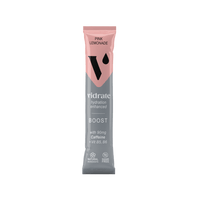
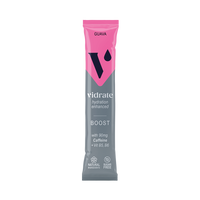
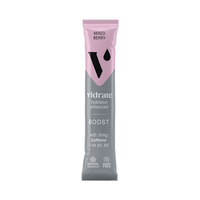
If you want a small lift without a big dose of caffeine, Vidrate Mixed Berry Boost has 30mg of caffeine per sachet, less than a cup of black tea with milk. It's a zero-sugar drink you mix with water, with electrolytes and vitamins B5 and B6. Vitamin B6 contributes to the reduction of tiredness and fatigue. Boost contains caffeine, so it isn't recommended for children or if you're pregnant or breastfeeding.
Frequently asked questions
Which tea has the most caffeine?
Strong black tea and matcha usually have the most. With matcha, you drink the whole powdered leaf, so you get more of its caffeine. Read does matcha have caffeine? for the figures.
Does adding milk reduce the caffeine in tea?
No. Milk doesn't remove caffeine. A cup with milk has the same caffeine as the tea you brewed, it's just a little more diluted.
Does iced tea have caffeine?
Yes, if it's made with black or green tea. Bottled iced teas vary a lot, and some are made with herbal or decaf tea, so check the label.
Can I drink tea while pregnant?
Yes, but keep your total caffeine to 200mg a day or less, as the NHS advises. That includes caffeine from coffee, cola, energy drinks and chocolate.
Is tea or coffee better before bed?
Neither, if they contain caffeine. Choose decaf tea or a caffeine-free herbal tea in the evening.
The bottom line
Tea has caffeine, but less than coffee: around 75mg in a mug of black tea, about half that in green tea and none in herbal teas. Most adults can enjoy several mugs a day, as long as you count your other caffeine too and switch to decaf or herbal tea later in the day.
Sources: NHS, Should I limit caffeine during pregnancy? BBC Good Food, How much caffeine is in tea? European Food Safety Authority (2015), Scientific opinion on the safety of caffeine.

Written by
Nick Hird


Join the conversation
0 commentsGot a tip that works for you? Share it below.