


In this article
Key takeaways
- Three litres a day is safe for most healthy adults if spread out
- Most people need around 1.5 to 2 litres from drinks
- Very active people or those in hot weather may need more
- Drinking a lot very quickly can be harmful
- Use the colour of your pee as your guide
Three litres of water a day has become a popular wellness goal, with big bottles and tracking apps everywhere. But is drinking 3 litres of water a day actually good for you, and do you need that much?
The short answer: for most healthy adults, drinking 3 litres a day is safe, but it's more than most people need. The NHS recommends 6 to 8 glasses of fluid a day, roughly 1.5 to 2 litres. Three litres can make sense if you're very active, it's hot, or you're a larger person, as long as you spread it out through the day.
Is drinking 3 litres of water a day good for you?
For most people it's fine, and it can help if you tend to drink too little. But more isn't always better. Once you're well hydrated, your kidneys simply pass the extra water out as pee.
European food safety guidance suggests a total water intake of about 2 litres a day for women and 2.5 litres for men. That total includes the water in your food, which usually provides around a fifth of it. So most people need less than 3 litres from drinks.
Who might need 3 litres a day?
- People who exercise a lot, especially in long or sweaty sessions. Read what happens when we sweat.
- People in hot weather or hot working environments.
- Larger people, who generally need more fluid.
- People who are breastfeeding, who need extra fluid.
- Anyone who's been ill with a fever, vomiting or diarrhoea, while they recover.
If you have heart or kidney problems, or your doctor has advised you to limit fluids, follow their advice rather than aiming for a set amount.
Benefits of drinking more water
If you usually drink too little, drinking more can help with:
- Energy and focus. Even mild dehydration is linked to tiredness, headaches and poorer concentration.
- Digestion. Fluid, along with fibre, helps prevent constipation.
- Kidney health. Drinking enough helps lower the risk of kidney stones.
- Exercise. Starting a workout well hydrated helps you perform at your best.
- Appetite. Water instead of sugary drinks cuts calories, and drinking water before a meal may help some people eat a little less.
What happens if you drink 3 litres of water a day?
If you're healthy and spread it out, mostly you'll just pee more. Expect to go to the loo more often, and your pee will be pale or almost clear. That's normal. If you suddenly go from drinking very little to 3 litres a day, you may notice this a lot at first.
Can you drink too much water?
Yes, but it's rare in healthy people. Drinking a very large amount in a short time can dilute the sodium in your blood, a condition called hyponatraemia, which can cause headaches, nausea and confusion. Your kidneys can only get rid of about 0.8 to 1 litre of water an hour, so the risk comes from drinking lots very quickly, for example during endurance events, rather than from 3 litres spread over a day.
If you're drinking a lot because you sweat heavily, replace salt as well as water.
Will drinking 3 litres of water a day help you lose weight?
Water on its own won't make you lose weight, but it can help. Swapping sugary drinks for water cuts calories, and drinking a glass of water before meals may help some people feel fuller. There's no need to drink 3 litres for this to work.
How to tell if you're drinking enough
Rather than aiming for a fixed number, check your pee. Pale straw-coloured pee means you're drinking enough. Dark yellow means you need more. Feeling thirsty, tired or getting headaches can also be signs. Read our guide on how to stay hydrated for more.
How to drink 3 litres of water a day
- Use a large bottle. A 1 litre bottle refilled three times makes it easy to track. Our timer bottle has time markings to keep you on pace.
- Spread it out. Aim for about 1 litre by late morning, 2 litres by mid-afternoon and 3 litres by early evening, so you're not up in the night.
- Have a glass with every meal and one first thing in the morning.
- Set reminders on your phone or use a tracking app.
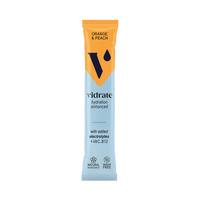
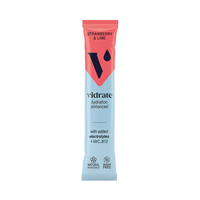
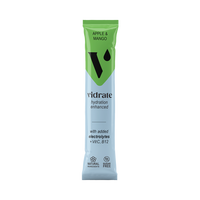
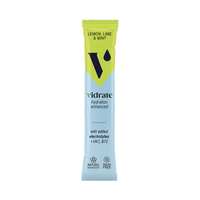
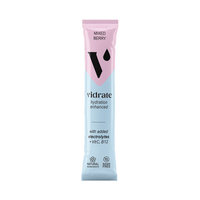
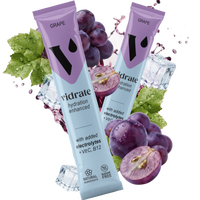
- Add flavour. Try fruit, cucumber, sparkling water or a zero-sugar hydration sachet. Vidrate Watermelon & Raspberry adds electrolytes and vitamins C and B12, with zero sugar.
- Count other drinks. Tea, coffee and milk all count towards your total. Read do tea and coffee dehydrate you?
Frequently asked questions
Is 3 litres of water a day too much?
For most healthy adults, 3 litres spread through the day is safe, but it's more than most people need. The NHS recommends 6 to 8 glasses of fluid a day.
How much should I pee if I drink 3 litres a day?
Expect to pee more often than usual, with pale or almost clear pee. That's simply your body getting rid of water it doesn't need.
What is the maximum water I can drink in a day?
There's no single limit, as it depends on your size, activity and health. The risk comes from drinking a lot very quickly, as your kidneys can only process about a litre an hour.
Does 3 litres of water include tea and coffee?
Yes. Tea, coffee, milk and other drinks count towards your total fluid intake, as does the water in your food.
Is 3 litres of water a day good for your skin?
Possibly a little, if you usually drink too little. Some small studies have found that drinking more water improved skin hydration, especially in people who normally drank less, but the evidence is limited and it's not a cure for skin conditions.
The bottom line
Drinking 3 litres of water a day is safe for most healthy adults, but most people need less, around 1.5 to 2 litres from drinks. It can make sense if you're very active or it's hot. Spread it through the day, count other drinks too, and use the colour of your pee as your guide.
Sources: NHS, Water, drinks and your health. European Food Safety Authority (2010), Scientific opinion on dietary reference values for water. NHS, Hyponatraemia.






Join the conversation
0 commentsGot a tip that works for you? Share it below.