

Gym & recovery
How to hydrate before, during and after exercise, and how sports drinks compare.
About this topic
Gym & recovery
Exercise makes you sweat, and sweat carries away electrolytes as well as water. Our gym and recovery guides cover post-workout hydration, electrolytes after a workout and how sports drinks and isotonic drinks compare with lower-sugar options, and the difference between isotonic, hypotonic and hypertonic drinks.
From a gym session to marathon hydration, the amount you need depends on how long and how hard you train, the temperature and how much you sweat. A good routine starts before you exercise, continues during longer sessions and carries on as part of your recovery, whether that's water, a gym recovery drink or an electrolyte sachet.
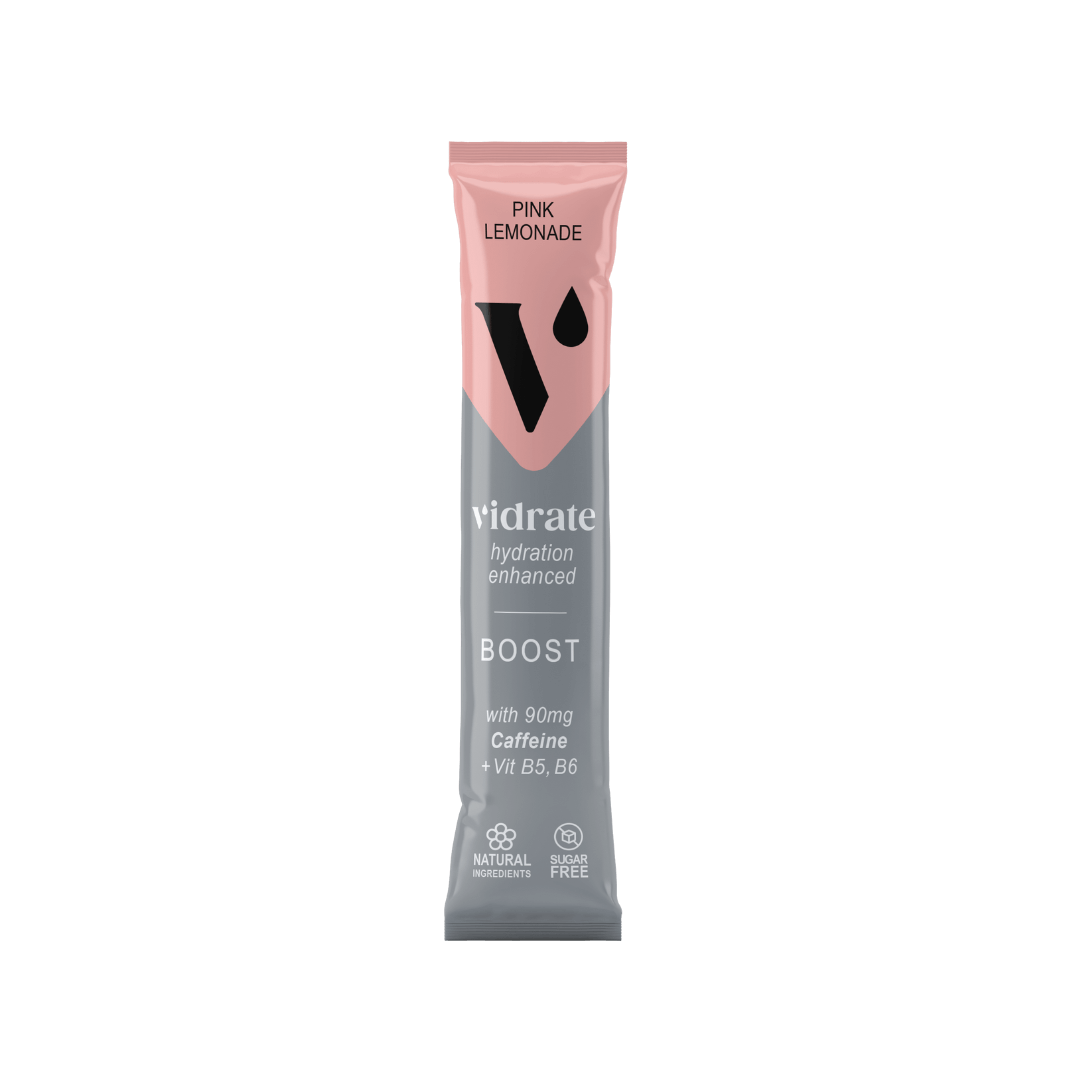
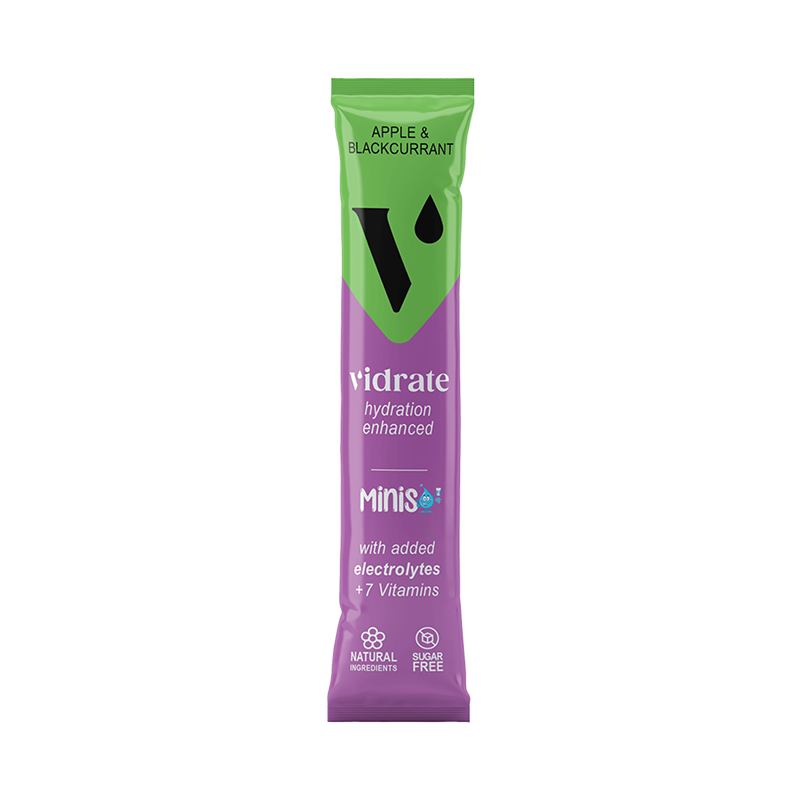
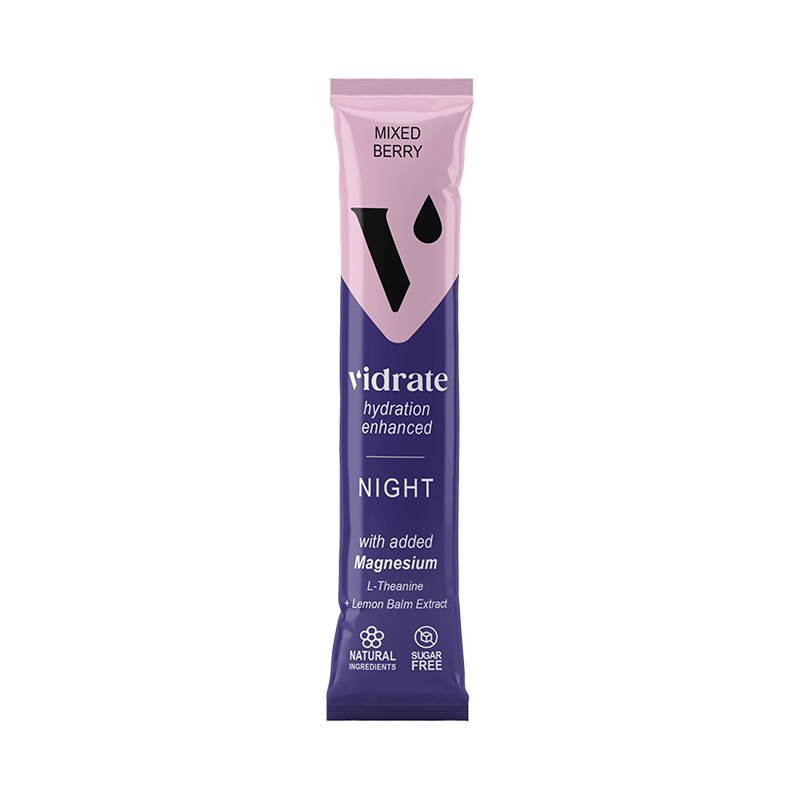
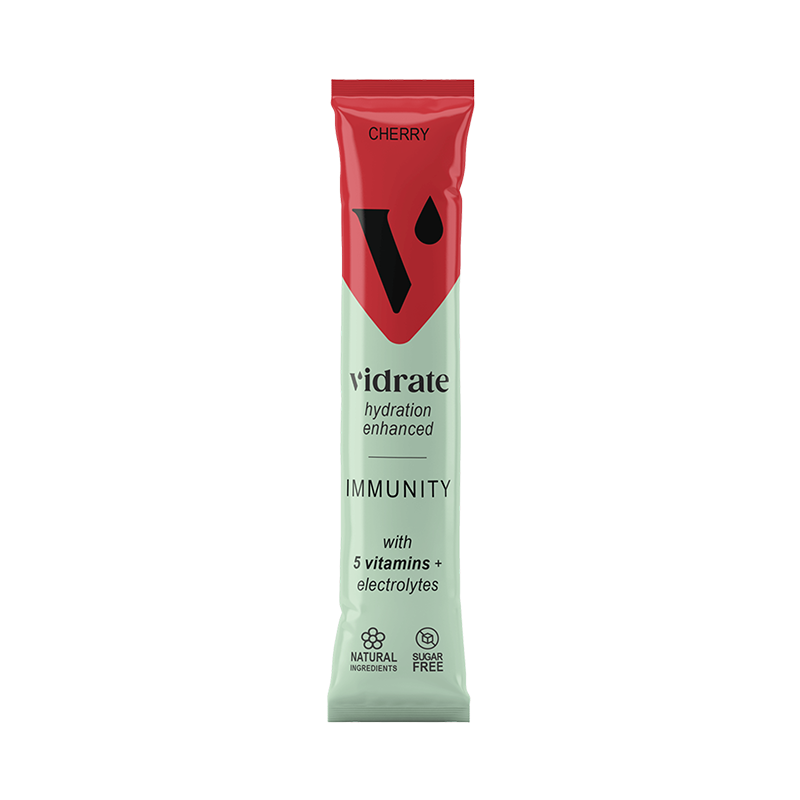
Vidrate sachets add electrolytes to your water and fit easily into your gym bag.

Was passiert, wenn wir schwitzen?
Read the guide
Shop the topic
Hydrate before, during and after training


FAQs
Gym & recovery FAQs
Should you take electrolytes before or after a workout?
Both can help. Start well hydrated, and after a long or sweaty session replace electrolytes as well as water. For short, light workouts, water is usually enough.
What are isotonic drinks?
An isotonic drink has a similar concentration of sugars and salts to your body's fluids. They're designed for longer exercise where you need fuel as well as fluid.
What's the difference between isotonic, hypotonic and hypertonic drinks?
Isotonic drinks match your body's fluids and give fluid plus some carbohydrate. Hypotonic drinks are more dilute and are mainly for fluid. Hypertonic drinks are more concentrated and are mainly for energy.
Are sports drinks good for you?
Sports drinks are designed for long or intense exercise, where you need fuel as well as fluid. For most everyday workouts, water or a sugar-free electrolyte drink is enough.
What is the best drink for gym recovery?
Water plus electrolytes suits most gym sessions. If you've trained hard for a long time, pair it with a meal or snack containing carbohydrate and protein.
How should I hydrate for a marathon?
Practise your hydration plan in training, start the race well hydrated and use electrolytes on longer runs, especially in warm weather.