


In this article
Key takeaways
- The NHS recommends 6 to 8 glasses of fluid a day
- Pale yellow pee is the easiest sign you're drinking enough
- Tea, coffee, milk and water-rich foods all count towards your fluids
- Drink more when it's hot, when you exercise or when you're unwell
- Add electrolytes when you've lost more than usual through sweat or illness
We all know we should drink more water, but with busy days, desk jobs and endless cups of coffee, it's easy to get to the evening and realise you've barely had a glass. Surveys regularly find that many people in the UK drink less than the recommended amount.
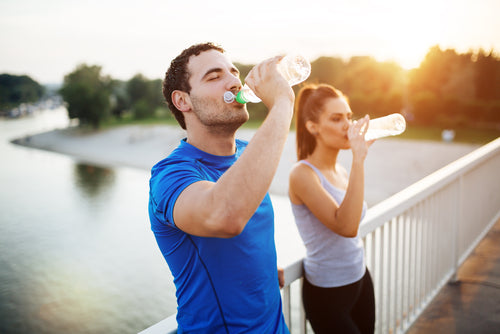
The short answer: to stay hydrated, aim for 6 to 8 glasses of fluid a day, sip regularly rather than all at once, and drink more when it's hot, when you exercise or when you're unwell. Water is best, but tea, coffee, milk and water-rich foods all count. Pale yellow pee is the easiest sign you're getting it right.
This guide brings together everything you need to know about staying hydrated, with links to our more detailed guides along the way.
Why is staying hydrated important?
Water makes up around 60% of your body, and you lose some every day through breathing, sweating and going to the loo. Staying hydrated helps your body:
- Keep your brain sharp. Studies have found that even mild dehydration can affect concentration, mood and memory.
- Control your temperature, through sweating.
- Keep your energy up. Tiredness and headaches are among the first signs of not drinking enough.
- Perform during exercise. Going into a workout dehydrated makes it feel harder.
- Look after your kidneys. Your kidneys need enough fluid to clear waste, and low fluid intake raises the risk of kidney stones.
- Keep your digestion moving. Fluid and fibre together help prevent constipation.
How much water should you drink a day?
The NHS recommends 6 to 8 cups or glasses of fluid a day, roughly 1.5 to 2 litres. European food safety guidance suggests a total of about 2 litres a day for women and 2.5 litres for men, but that includes the water in your food, which usually provides about a fifth of it.
You'll need more if you:
- Exercise or sweat a lot. Read what happens when we sweat.
- Are in hot weather or a heated or air-conditioned building.
- Are ill with a fever, vomiting or diarrhoea.
- Are pregnant or breastfeeding.
- Have been drinking alcohol. Read does alcohol dehydrate you?
Wondering whether more is better? Read is drinking 3 litres of water a day good for you?
How to tell if you're drinking enough
| Pee colour | What it means |
|---|---|
| Pale straw or clear pale yellow | Well hydrated |
| Darker yellow | Have a drink soon |
| Dark yellow or amber, strong-smelling | Dehydrated, so drink more now |
Other early signs of dehydration include feeling thirsty, a dry mouth, tiredness, headaches, feeling dizzy and peeing less often. Thirst isn't always a reliable guide, especially as we get older. Read why am I never thirsty?
15 simple ways to stay hydrated
- Start the day with a glass of water. You lose fluid overnight, and it's an easy habit to build. Read drinking water first thing in the morning.
- Carry a reusable bottle. Having water in sight is one of the best reminders there is. Read about the benefits of reusable bottles.
- Use a bottle with time markings, like our timer bottle, to pace yourself through the day.
- Drink a glass with every meal. Three meals gets you a good way towards your daily total.
- Have a glass of water before each tea or coffee, for example while the kettle boils.
- Prepare a bottle the night before and keep it in the fridge so it's cold and ready.
- Set reminders on your phone or put a sticky note on your screen.
- Link drinking to habits you already have, such as every time you get up from your desk or come back from the loo.
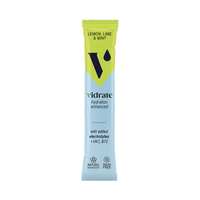
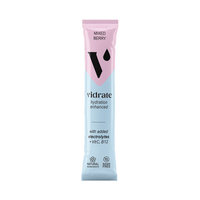
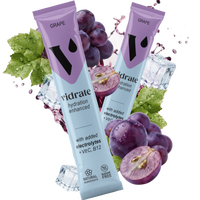
- Add flavour. Try slices of lemon, lime, cucumber or berries, or a zero-sugar hydration sachet.
- Try sparkling water if you find still water boring. It hydrates just as well.
- Eat water-rich foods (see the table below).
- Track your intake with an app, or by counting refills of a bottle of known size.
- Front-load your drinks. Aim to have most of your fluid before early evening, so you're not up in the night.
- Drink before, during and after exercise, and add electrolytes after long or sweaty sessions.
- Keep an eye on your pee colour and drink more if it gets darker.
How to stay hydrated at work
It's easy to forget to drink when you're busy, in meetings or out on the road. A few things help:
- Keep a clear bottle on your desk so you can see how much you've had.
- Refill it every time you go to make a drink or take a break.
- Take water to every meeting.
- If you work from home, set a reminder to step away from the screen, stretch and refill your bottle every hour.
- If you work outside or on your feet, carry water with you and drink before you feel thirsty.

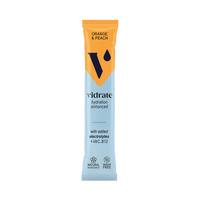
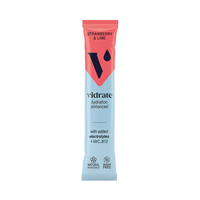
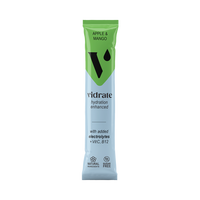
Hydration sachets can make water more appealing during the working day. Vidrate Watermelon & Raspberry is a zero-sugar hydration sachet with electrolytes and vitamins C and B12, sweetened with stevia. Vitamin C contributes to the normal function of the immune system, and vitamin B12 contributes to the reduction of tiredness and fatigue. Pop a few in your bag and mix one with your water bottle. See all our hydration sachets.
How to stay hydrated without drinking water
If you don't like plain water, you can still stay hydrated. Tea, coffee, milk, sugar-free squash and sparkling water all count towards your daily fluids. The NHS recommends keeping fruit juice to 150ml a day because of the sugar. For more on tea, read which teas have caffeine?
Food helps too. Many fruits and vegetables are more than 90% water:
| Food | Water content (approx.) |
|---|---|
| Cucumber | 96% |
| Lettuce | 95% |
| Celery | 95% |
| Tomatoes | 94% |
| Watermelon | 92% |
| Strawberries | 91% |
| Oranges | 87% |
| Natural yoghurt | 85% to 88% |
Soups, stews and smoothies are also good sources of fluid, especially in winter. Coconut water is another option. Read what is coconut water?
What dehydrates you?
- Alcohol makes you pee more than you drink.
- Heat and exercise increase sweating.
- Illness, especially vomiting, diarrhoea and fever.
- Salty food increases how much water you need.
- Lots of caffeine can make some people pee more, though normal amounts of tea and coffee still count towards your fluids (read do tea and coffee dehydrate you?). See the caffeine content of popular drinks.
- Air travel and heated or air-conditioned rooms, which dry the air.
When do you need electrolytes?
For most people, water and a balanced diet are enough. Electrolytes help your body hold on to fluid, so they're most useful when you've lost more than usual through heavy sweating, illness or a night out. Read our guides to what electrolytes are and when to take electrolytes.
Can you drink too much water?
Yes, but it's rare in healthy people. Drinking a very large amount in a short time can dilute the sodium in your blood, a condition called hyponatraemia. It's most likely during endurance events when people drink lots of plain water without replacing salt. Sip steadily through the day rather than drinking litres at once.
How hydration affects how you feel
Not drinking enough can leave you tired, foggy and irritable, and it can bring on symptoms that feel like anxiety. Read can dehydration cause anxiety? If you get cramp, dehydration may play a part. Read what causes cramp?
Severe dehydration needs medical help. Read how long it takes to rehydrate and the signs of severe dehydration.
Our hydration guides
Want to go deeper? These guides answer the most common hydration questions in detail.
Water and drinks
- Is drinking 3 litres of water a day good for you?
- Drinking water first thing in the morning
- Which teas have caffeine?
- Do tea and coffee dehydrate you?
- How much caffeine is in your drink?
- Does alcohol dehydrate you?
- What is coconut water?
Electrolytes
- What are electrolytes and what do they do?
- Does Lucozade have electrolytes?
- When to take electrolytes
- Can electrolytes cause diarrhoea?
- Should you drink electrolytes before bed?
Dehydration
- Why am I never thirsty?
- How long does it take to rehydrate?
- Can dehydration cause anxiety?
- What causes cramp in your feet?
- What happens when we sweat?
Hydration in everyday life
- Does flying dehydrate you?
- How important is hydration in pregnancy?
- Hydration and your skin
- The benefits of reusable bottles
- Top tips to reduce your plastic usage
Frequently asked questions
How many glasses of water a day is enough?
The NHS recommends 6 to 8 glasses of fluid a day, about 1.5 to 2 litres. You'll need more in hot weather, when you exercise, when you're ill, and if you're pregnant or breastfeeding.
How do I stay 100% hydrated?
Sip fluids regularly through the day rather than all at once, eat water-rich foods, and drink more when it's hot, when you're active or when you're unwell. Pale yellow pee is the best sign you're getting it right.
What are the main signs of dehydration?
Feeling thirsty, dark yellow or strong-smelling pee, peeing less often, a dry mouth, tiredness, headaches and feeling dizzy or light-headed.
How do I stay hydrated if I don't like water?
Try sparkling water, water with fruit, sugar-free squash, herbal tea or a zero-sugar hydration sachet, and eat water-rich foods such as cucumber, watermelon and soup.
Is it bad to drink a lot of water at once?
Drinking a very large amount quickly isn't a good idea. It's better to sip regularly through the day.
What hydrates better than water?
For everyday hydration, water is all you need. After heavy sweating or illness, drinks containing electrolytes can help you rehydrate more effectively, and milk has also been shown to be a good rehydration drink.
The bottom line
Staying hydrated doesn't need to be complicated. Aim for 6 to 8 glasses of fluid a day, sip regularly, carry a bottle, eat water-rich foods and drink more when it's hot, when you exercise or when you're unwell. Use your pee colour as a guide, and add electrolytes when you've lost more than usual.
Sources: NHS, Water, drinks and your health. NHS, Dehydration. European Food Safety Authority (2010), Scientific opinion on dietary reference values for water. Armstrong LE et al. (2012), Mild dehydration affects mood in healthy young women, Journal of Nutrition.






Join the conversation
0 commentsGot a tip that works for you? Share it below.